
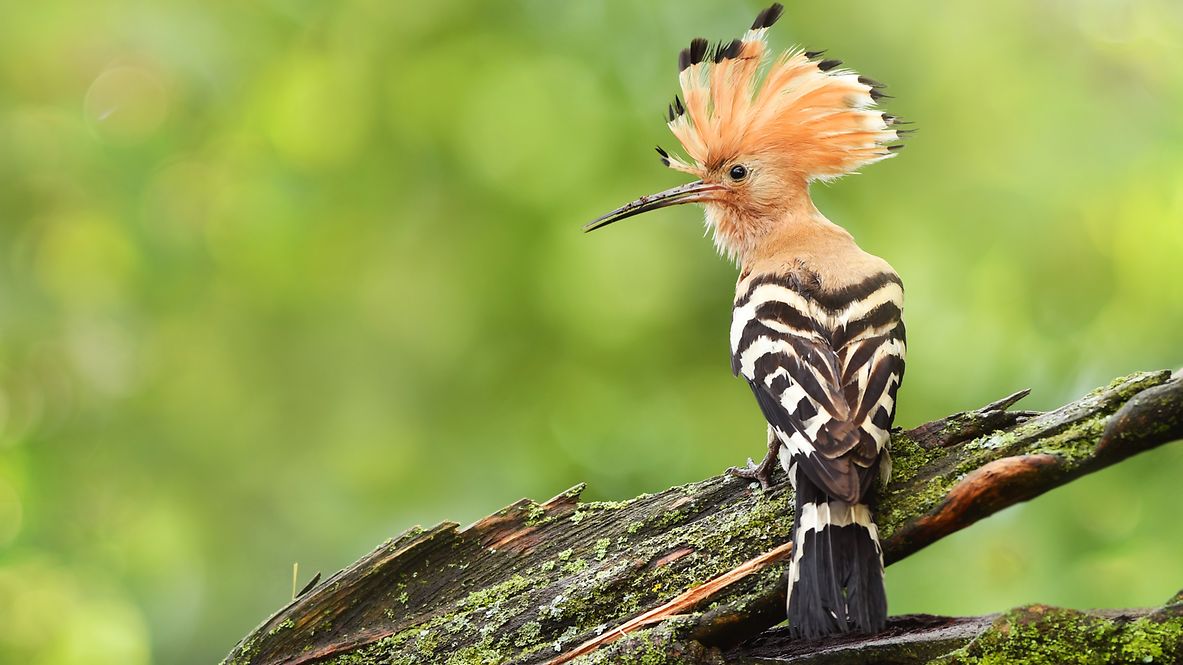
Deutsche Bahn is committed to nature and species protection in many ways. On its plant sites, DB establishes suitable nesting sites for rare bird species—such as hoopoes, storks, and ospreys—as part of ecological compensation measures.
Nest boxes for hoopoes
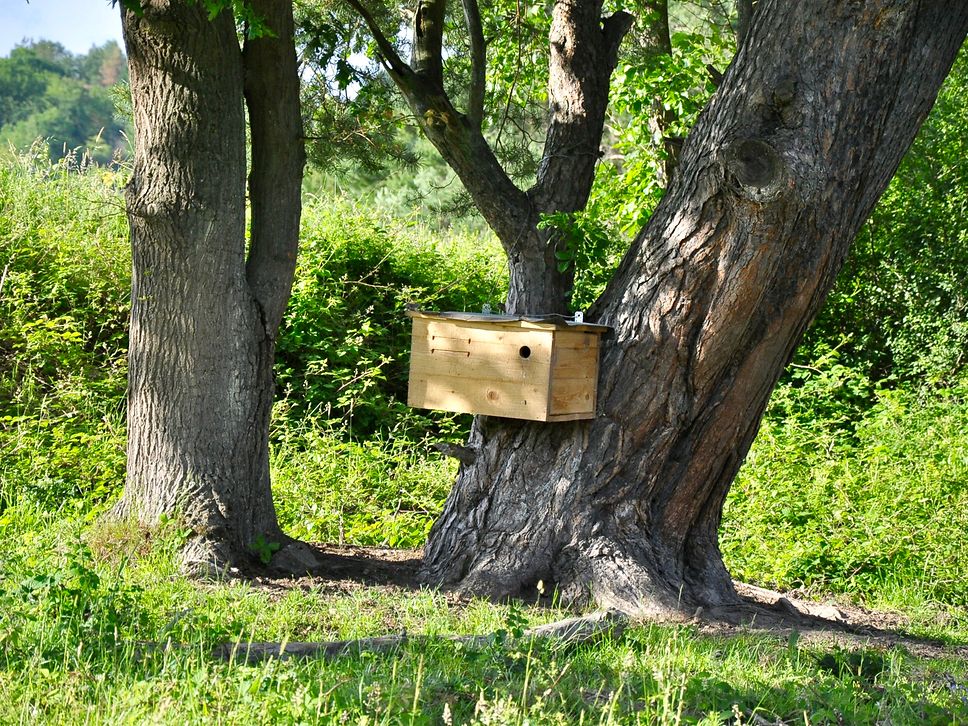
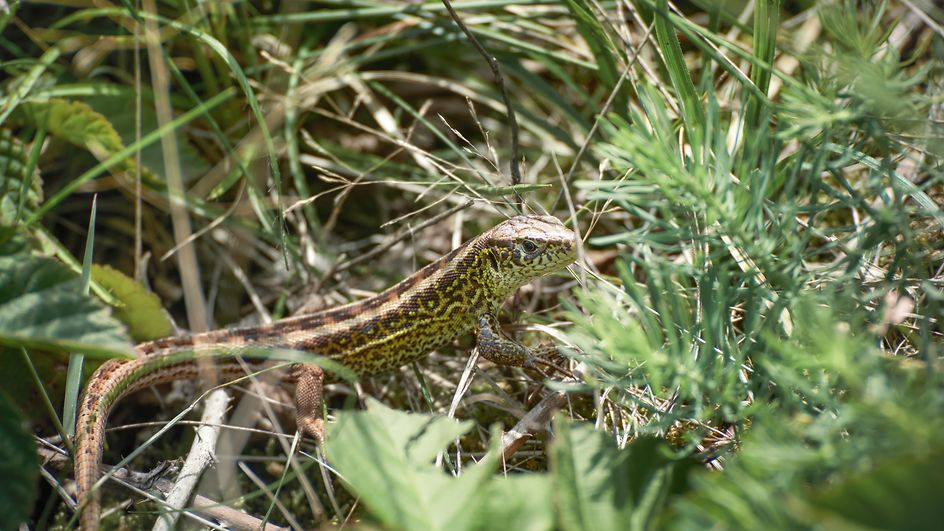
At the nature trail area in Aschaffenburg, Deutsche Bahn, together with the city, has installed several nest boxes for hoopoes. In the future, this rare migratory bird will have space to breed and find enough food. The flower-rich, nutrient-poor grasslands provide plenty of crickets, beetles, as well as small frogs and lizards, which are part of the hoopoe’s diet.
New homes for swallows
During the dismantling of buildings and facilities, Deutsche Bahn ensures that swallows and other birds receive suitable replacement homes. For this purpose, an innovative multifunctional swallow tower was developed. The nesting solution have a solid wooden core and weather-resistant roofs. They are mounted on approximately six-meter-high stands and are open at the bottom, protecting birds from predators such as raccoons or martens—making these towers unique compared to conventional nest boxes.
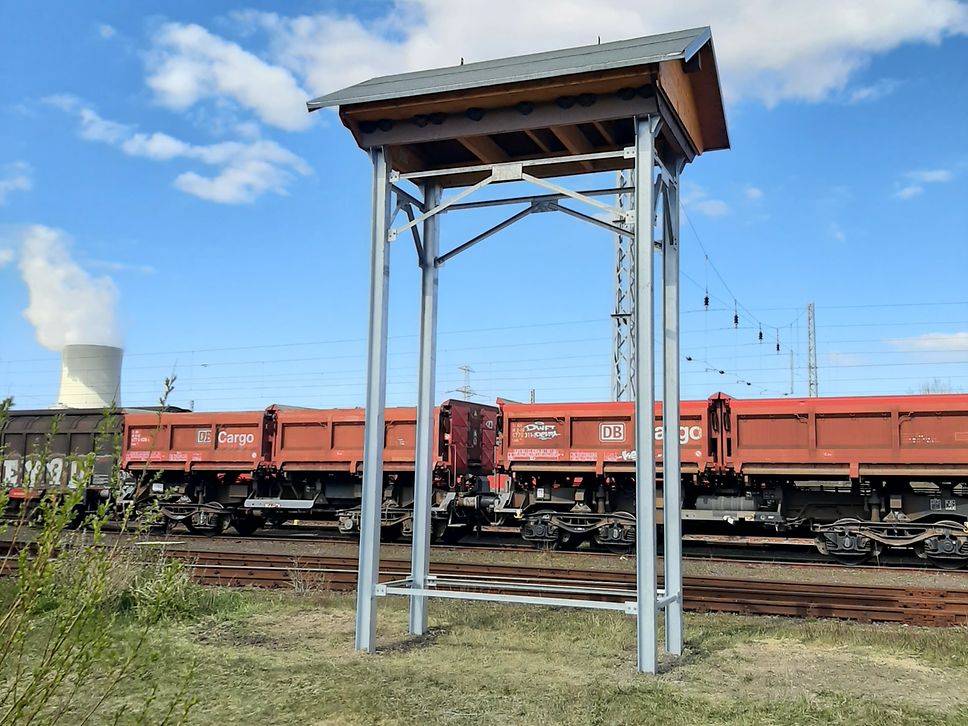
The first swallow towers were installed by Deutsche Bahn in Schönwalde-Glien and at the DB Cargo plant in Rostock, with more to follow. Thanks to their multifunctional design, not only swallows but also species such as wagtails, sparrows, and even bats have taken up residence.
At Potsdam-Griebnitzsee station, protected barn swallows are regular guests. Every year, these songbirds visit the nests during breeding season. Since 2018, the station has been awarded the NABU “Swallow-Friendly House” designation. The Dessau-Roßlau train maintenance depot also provides homes for swallows. In several double nest boxes, house martins raise their young undisturbed each year.
Housing at lofty heights
In Gelnhausen, Hesse, Deutsche Bahn built a new nest box for storks as part of the expansion of the Kinzigtalbahn. In coordination with local bird and nature conservation associations, a ten-meter-high steel mast with a wooden nesting platform was erected. A resident stork pair has already moved in. Additionally, a resting pond for migratory birds was created nearby, providing smaller amphibians like frogs and toads with a new habitat.
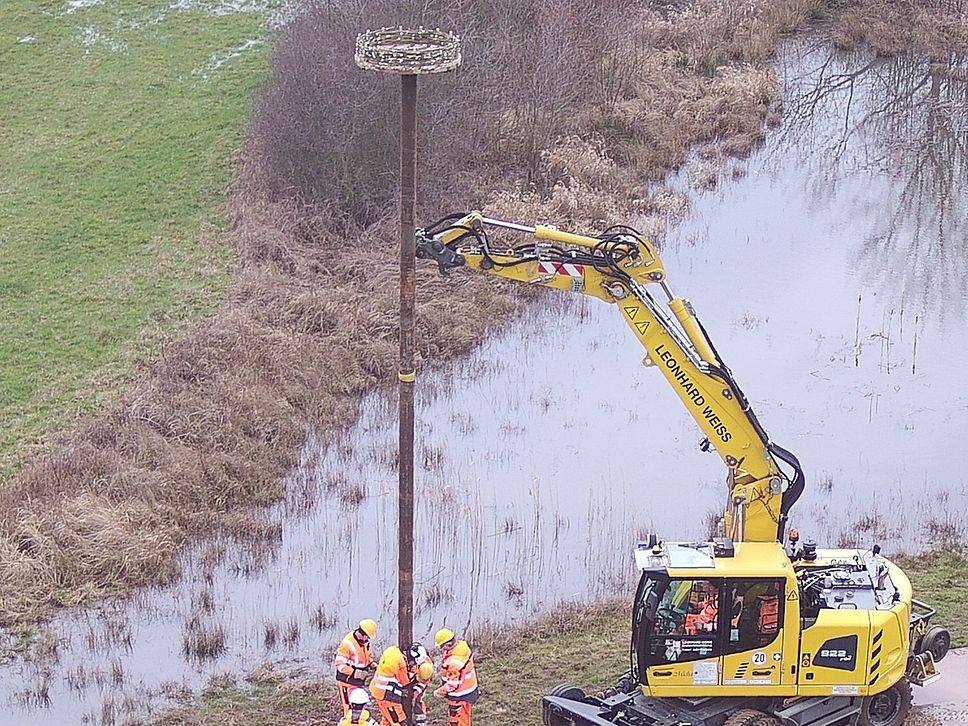
At the DB plant in Meiningen, Thuringia, a pair of white storks has also settled. Since the birds initially built their nest on an exhaust chimney of the paint shop located there, an alternative was needed. Using old sheets of metal and heating pipes, the plant employees quickly constructed a replacement nest at a height.
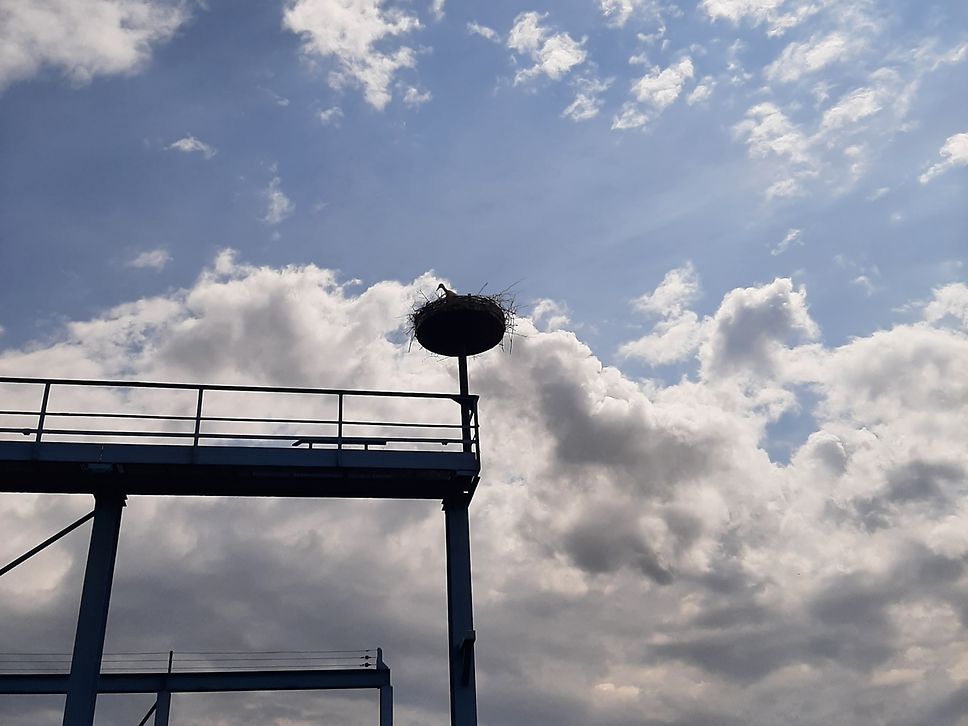
White storks are strictly protected in Germany and are known for site fidelity, returning to the same breeding place year after year. Therefore, Deutsche Bahn has emphasized stork protection during construction work along the Kochelsee railway in Bavaria. Around 600 catenary supports were renewed, and while two stork nests on existing masts could be preserved, one had to be relocated. To protect the breeding site, Deutsche Bahn erected a replacement nest near Bichl station (Bad Tölz-Wolfratshausen district) in early 2025. It consists of a ten-meter-high steel mast with a 1.5-meter-diameter platform and a wicker nest basket.
Room with a view
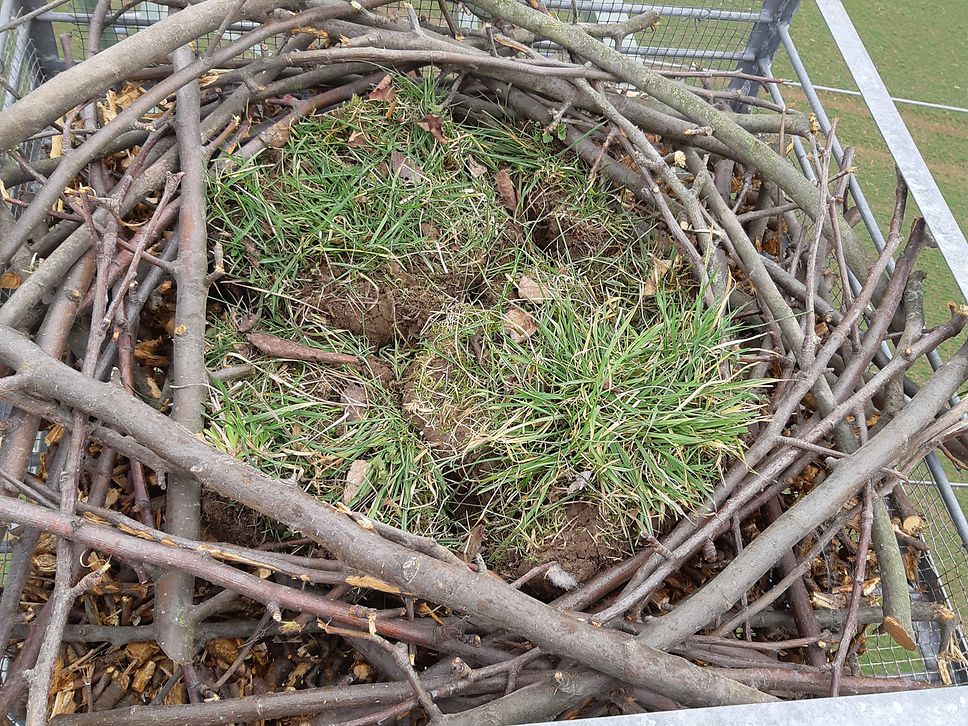
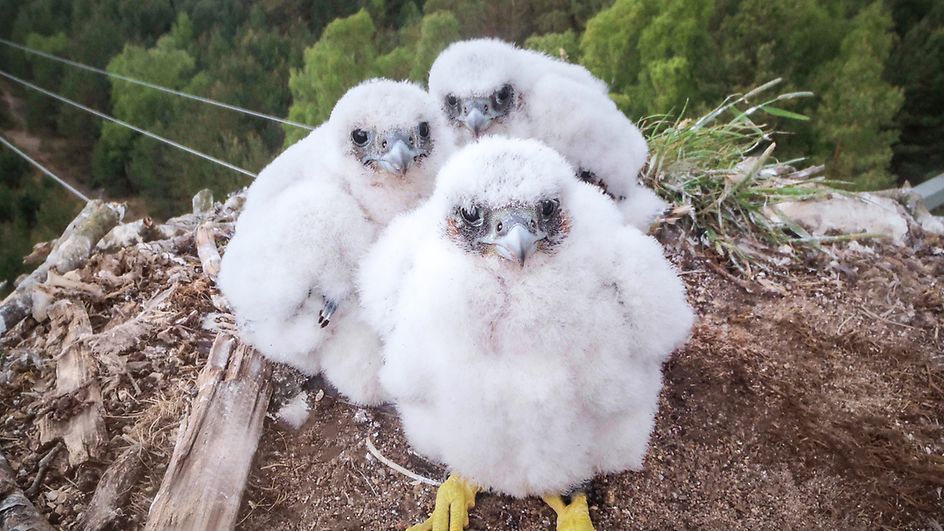
In Werdau, Saxony, near the Koberbach dam, Deutsche Bahn, in cooperation with the local nature conservation authority, installed a nest box for the resident ospreys on top of an electricity pylon. At a height of 25 meters, a wire frame filled with branches, moss, and wood shavings is ready for the osprey pair. The location is ideal, situated in an open field close to water bodies where the rare birds find food.


 Go
Go