
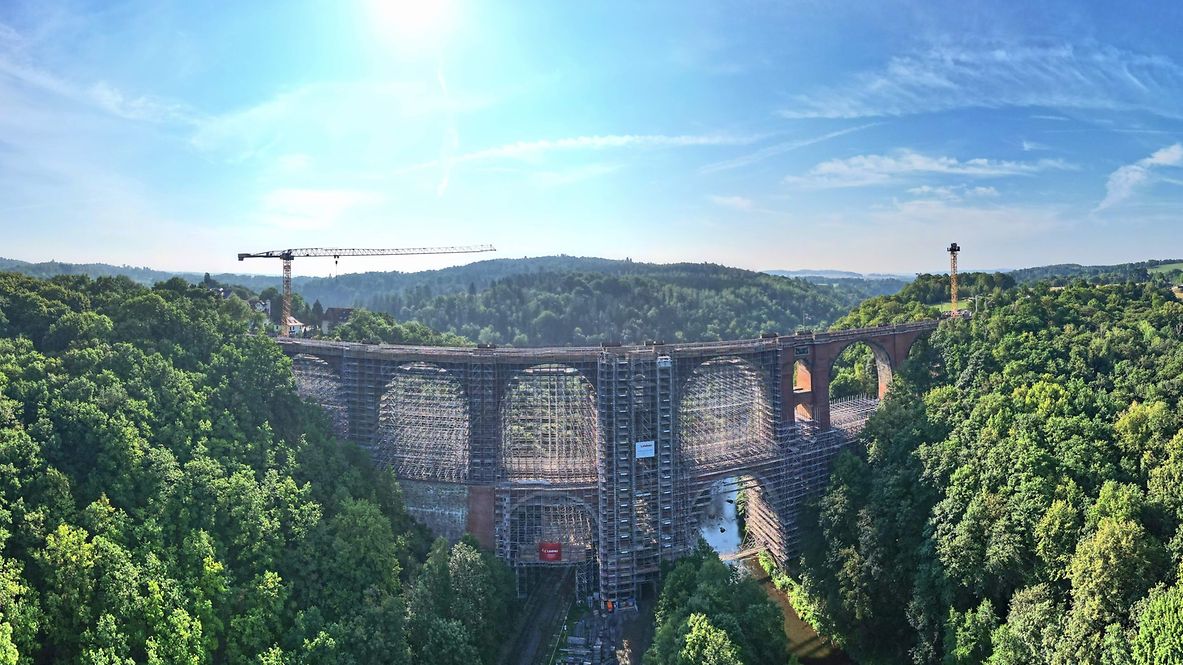

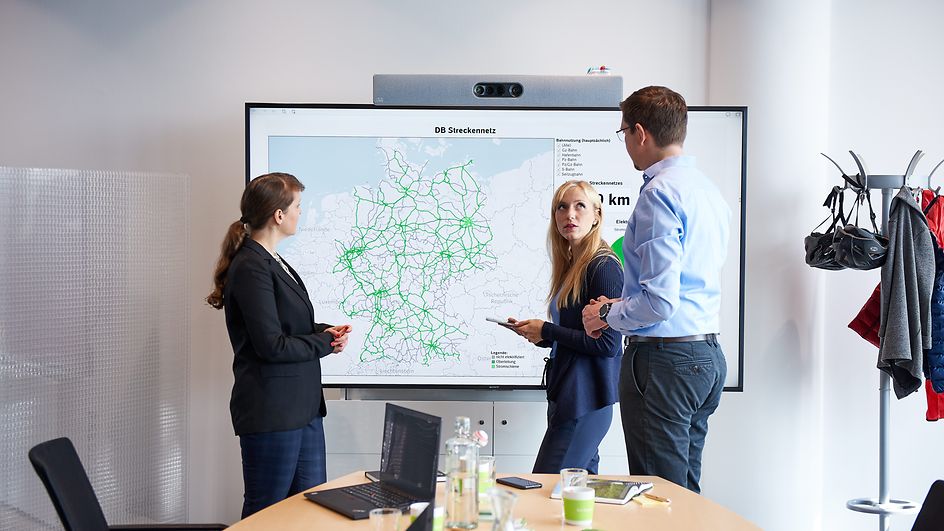
To bring freight and passenger trains to their destinations sustainably and safely, Deutsche Bahn’s existing rail network of around 33,000 line kilometers must be regularly maintained and modernized. DB relies on renovation, since compared to new construction, fewer raw materials are consumed and greenhouse gas emissions are reduced.
Thousands of arch Bridges in the rail network
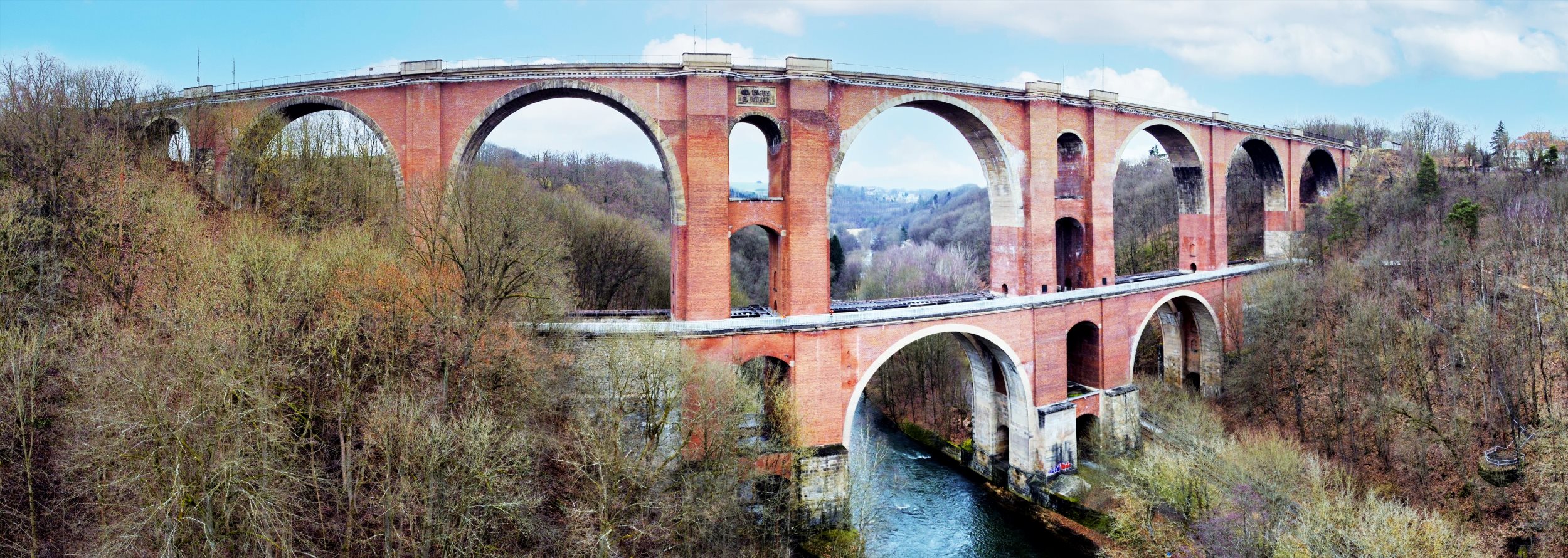
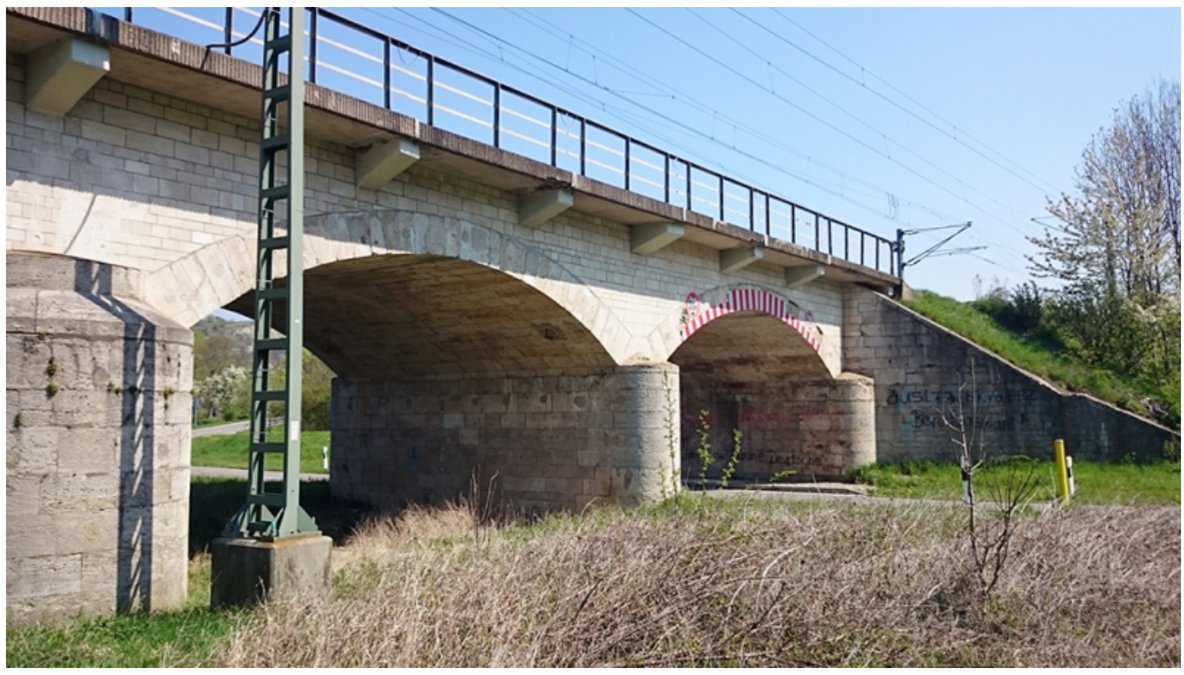
Around 5,800 arch bridges exist within Deutsche Bahn’s rail network. They ensure that trains can easily cross rivers and other obstacles. The bridges have an average lifespan of about 120 years and, over time, often develop moisture penetration, cracking or washouts. In the past, smaller arch bridges at the end of their service life were usually demolished and replaced with completely new concrete frame structures. Exceptions were previously only some particularly large and culturally significant arch bridges, such as the Elstertal Bridge.
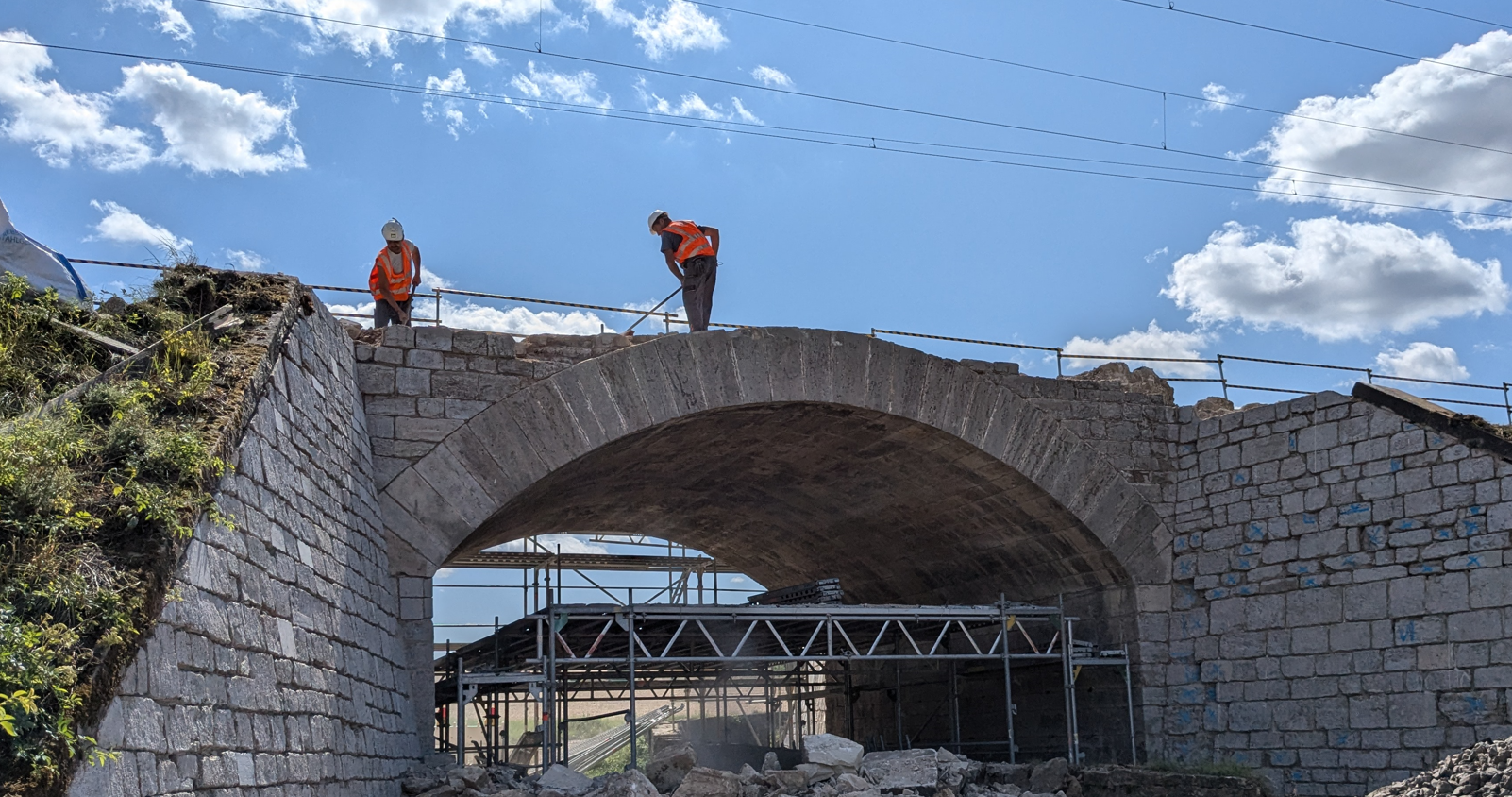
However, a jointly developed process by DB InfraGO and Dresden University of Technology now shows that renovation and maintenance are also worthwhile for smaller arch bridges. Instead of building an entirely new concrete frame structure, renovation involves installing only a new bridge deck. The underlying structure is preserved and renovated. This restores the bridge’s load-bearing capacity and extends its service life by many years.
Preserving arch bridges – saving CO2e and resources
Constructing a new single-span arch bridge generates around 130 metric tons of CO2e from building materials alone. With the renovation process, it is only about 40 tons. Considering additional emissions from demolition, earthworks, construction site setup, and replacement bus services during the construction phase, renovation can save a total of around 100 tons of CO2e compared to new construction.
There are further advantages as well. Renovation requires less construction site space compared to new builds. Additional savings are possible in the future through the use of innovative materials such as textile-reinforced and carbon concrete.
Preserving historical building culture
The first smaller single-arch bridges in DB’s network are already being renovated. This includes the Müggenborg railway overpass on the Ihrhove–Groningen line. In July 2024, the arch bridge was exposed, refurbished, and fitted with a new deck. At the same time, the substructures were renovated. In this way, Deutsche Bahn not only contributes to climate-friendly construction but also preserves a piece of historical architectural heritage. Most of these arch bridges were built between 1850 and 1920.




 Go
Go