
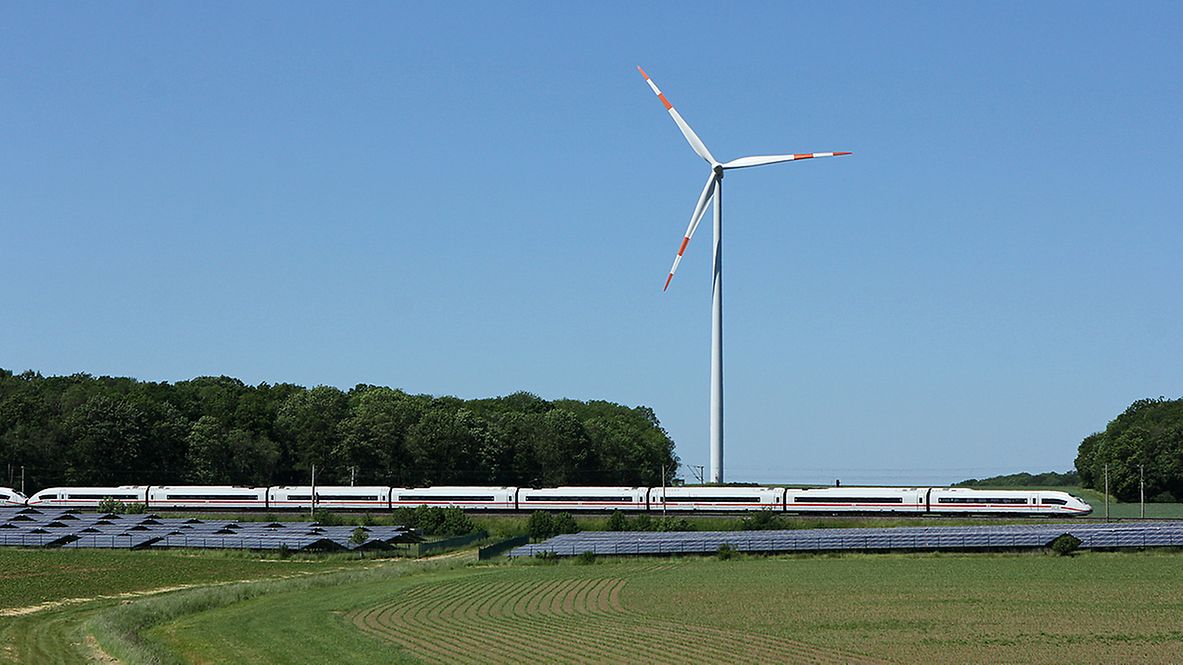

Sustainable mobility requires innovative and forward-looking technologies. Therefore, Deutsche Bahn, together with partners from science and industry, develops and researches sustainable solutions for the transportation of tomorrow.
Ammonia-hydrogen engine as an alternative drive
Deutsche Bahn aims to reduce its greenhouse gas emissions to net-zero by 2040. Since there will still be routes where freight and passengers cannot always be transported electrically, DB pursues a technology-open approach using alternative drives and fuels as a replacement for fossil diesel. In a current research project, DB is developing a new drive technology together with the Australian energy company Fortescue Future Industries (FFI) — the ammonia-hydrogen engine.
The ammonia-hydrogen engine is based on an existing type of combustion engine, modified to run on green ammonia and green hydrogen produced from renewable energy. Compared to a pure hydrogen engine, liquid ammonia has a higher energy density per volume than liquid hydrogen, resulting in greater range. In addition, liquid ammonia is easier to transport and store.
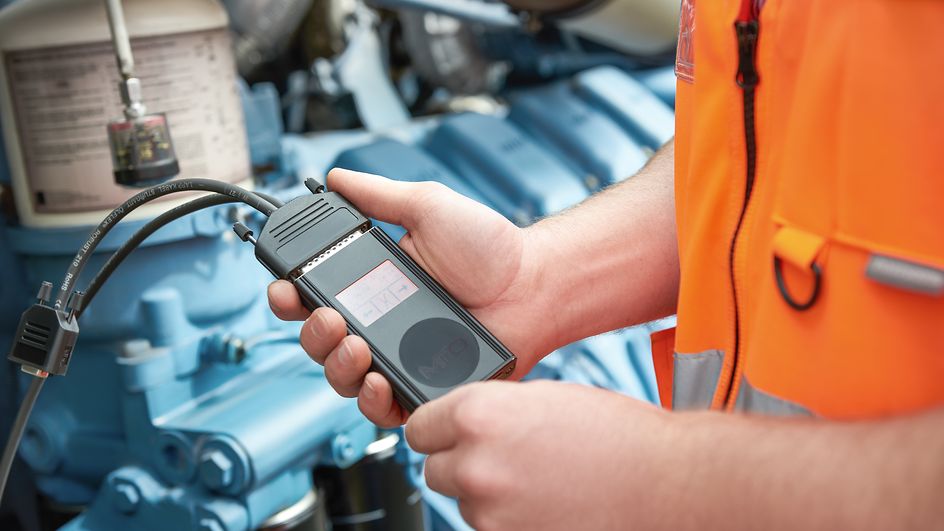
A key technology of the new engine is a so-called “cracker” from the Stuttgart-based company Ammonigy, which is installed directly on the vehicle. It splits a small portion of ammonia outside the engine into hydrogen and nitrogen. The generated hydrogen is then mixed with the remaining ammonia as ignition gas, enabling smooth and even combustion. A first prototype of the engine for rail vehicles has already undergone intensive testing, with positive results: the initial test runs were successful. DB is now working with partners on an exhaust after-treatment system.
Strong logistics for green hydrogen
The availability of green ammonia and green hydrogen is still limited. Therefore, the project is also working to expand global supply chains for both energy carriers. As a hydrogen producer, FFI plans to distribute green ammonia worldwide.
In addition to DB, many other companies are increasingly focusing on innovative energy carriers such as hydrogen and ammonia. Safe and effective transport routes are becoming more important. As Europe’s largest rail freight company, DB Cargo develops efficient and sustainable logistics concepts for transporting hydrogen and hydrogen derivatives.
Whether in liquid or gas form, DB Cargo already provides suitable solutions for climate-friendly rail transport in collaboration with various energy suppliers.
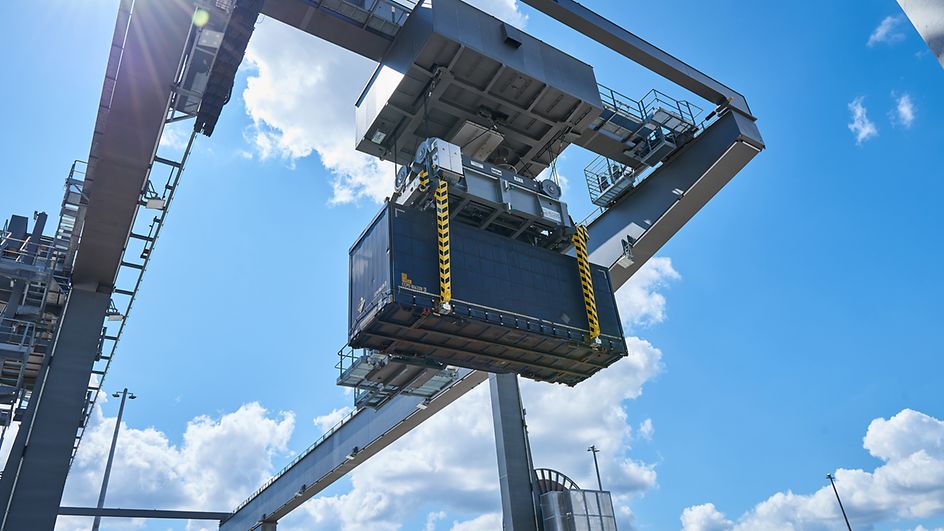
Chemically bound hydrogen can be transported in standard tank cars used in rail freight and separated at the point of use. For gaseous hydrogen, special multi-element gas containers (MEGCs) are used — as well as for transporting liquefied pure hydrogen. Due to the extremely low temperature (around -253 °C), special containers are required.
By transporting hydrogen via rail, Deutsche Bahn offers a competitive alternative to pipelines. Compared to road transport, rail also has a significant environmental advantage: it is a far more climate-friendly mode of transport.

 Go
Go