
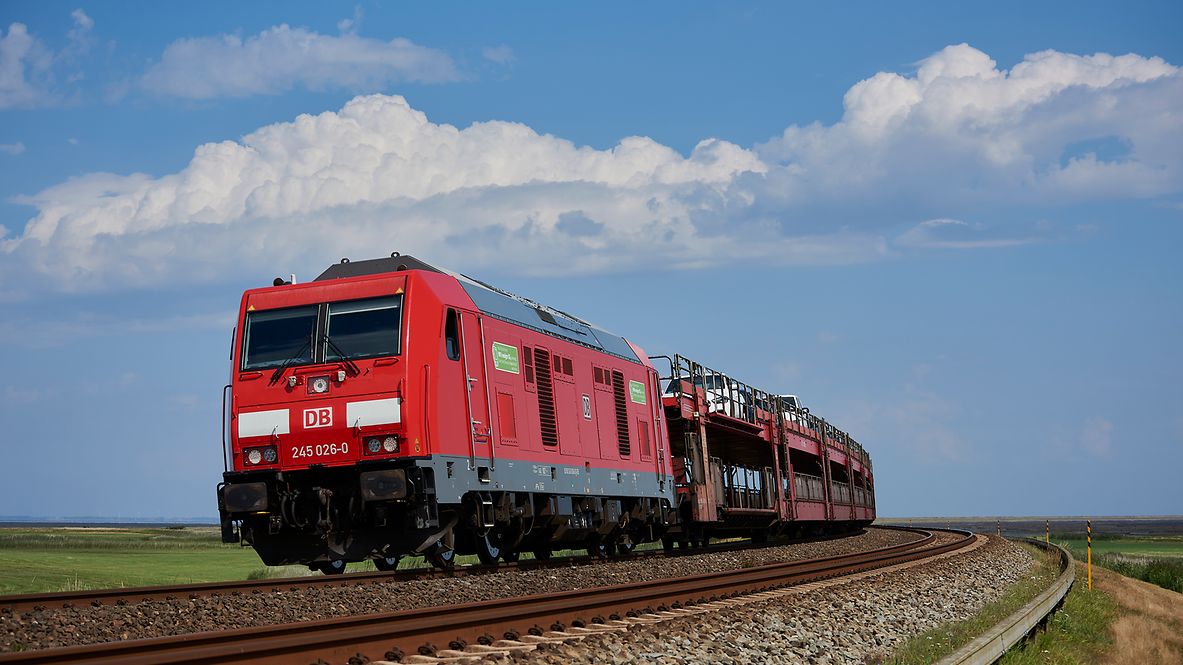

On the path to net-zero, DB focuses on further electrifying its rail network as part of its decarbonization strategy. Today, more than 90 percent of all rail transport in Germany is powered electrically (based on Output in metric ton kilometers; Ltkm). This share is set to increase. However, there will be still routes in the future on which goods and passengers cannot always be transported to their destination electrically due to geographical or operational characteristics. On these routes, DB adopts an open-technology approach with alternative drives and fuels as replacements for fossil diesel.
Biofuel in freight transport
One example of alternative fuels at Deutsche Bahn is HVO (Hydrotreated Vegetable Oil) biofuel. HVO is produced from biological residues and waste materials. No additional agricultural land is used for its production, which could compete with food and animal feed production. It is also important that the biofuel is free of palm oil. For this reason, suppliers have to issue corresponding certificates confirming compliance with the high requirements.
Compared to conventional diesel, HVO produces up to 90 percent fewer greenhouse gas emissions. This is because combustion in the engine only releases CO2e that was previously removed from the atmosphere during plant growth. The rest of the greenhouse gas emissions are generated during the production and transportation of the fuels, so in the upstream chain. As part of the Climate+ service, DB Cargo offers customers carbon neutral rail transport in freight traffic. CO2e neutrality is ensured by using 100 percent green electricity or HVO 100 depending on the route and requirements. Any indirect and/or remaining emissions are offset through recognized climate protection projects in accordance with VCS + Social Carbon / CCBS or the Gold Standard.
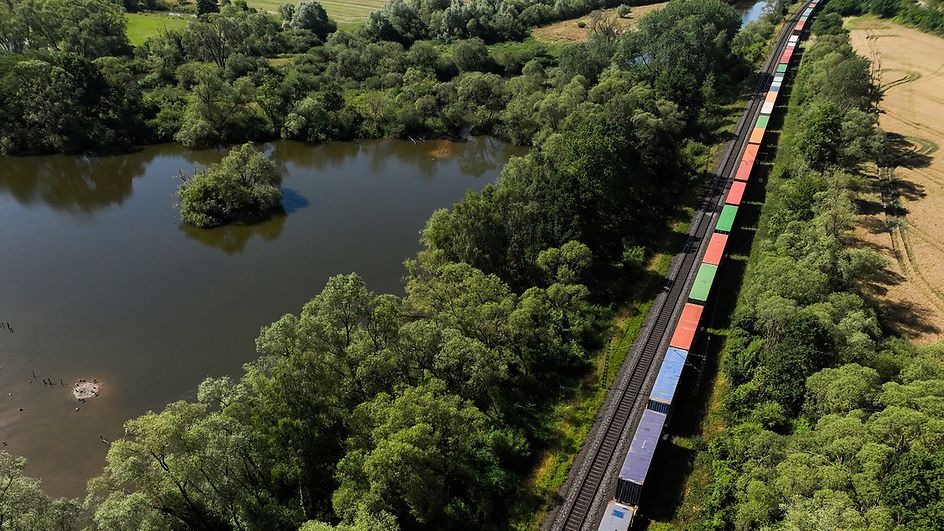
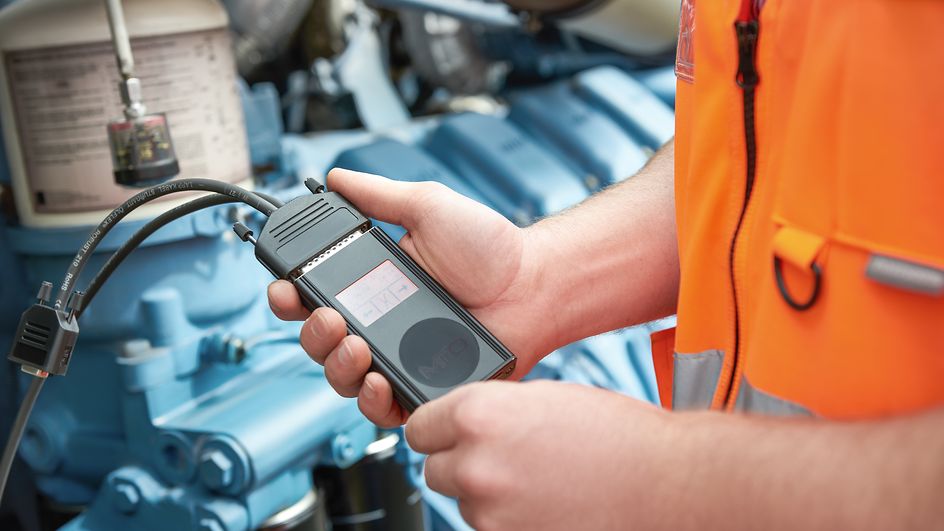
Deutsche Bahn has tested and approved the use of HVO for its entire Cargo fleet of shunting and mainline diesel locomotives in Europe. Results show that engines operate flawlessly and performance is not affected by biofuel. In Italy, locomotives are also switching from fossil diesel to HVO, making rail transport even more climate-friendly. At DB Cargo Italia for example, all locomotives near Cervignano and Brescia (in northern Italy) run on HVO.
Environmentally friendly refueling infrastructure
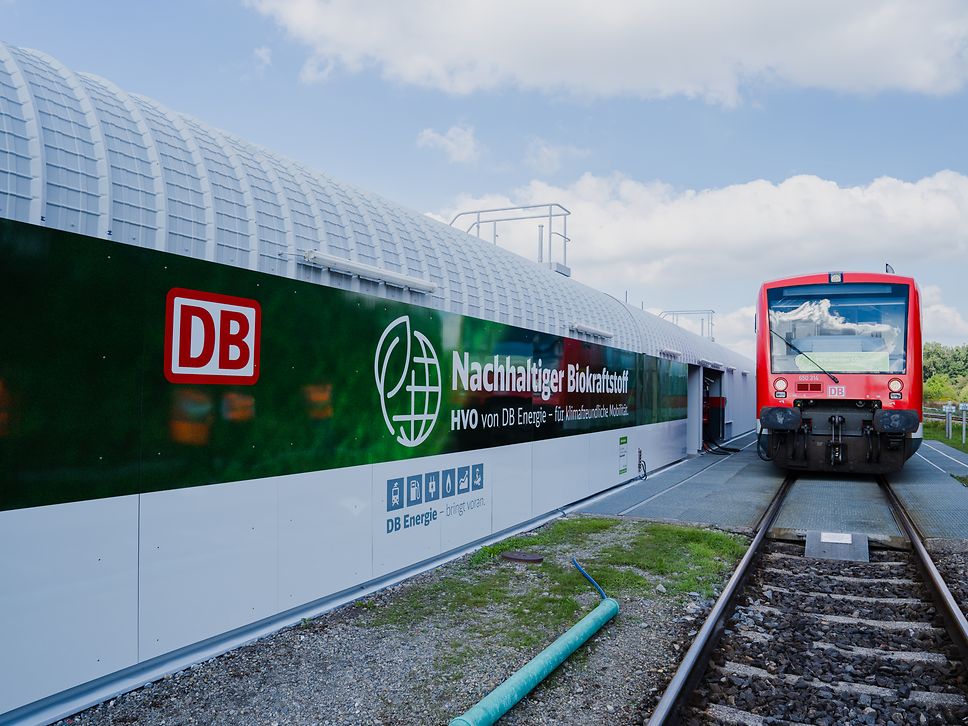
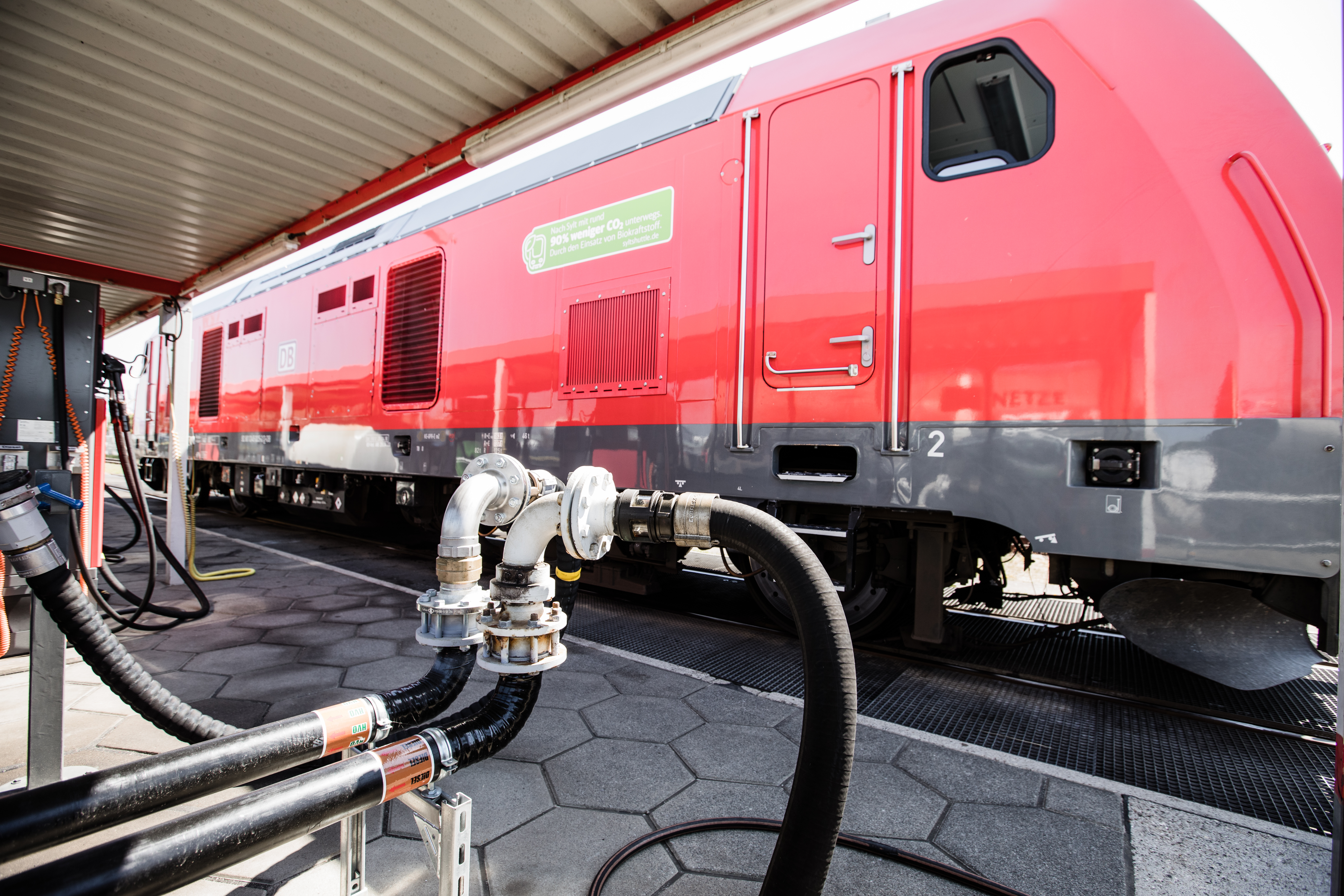
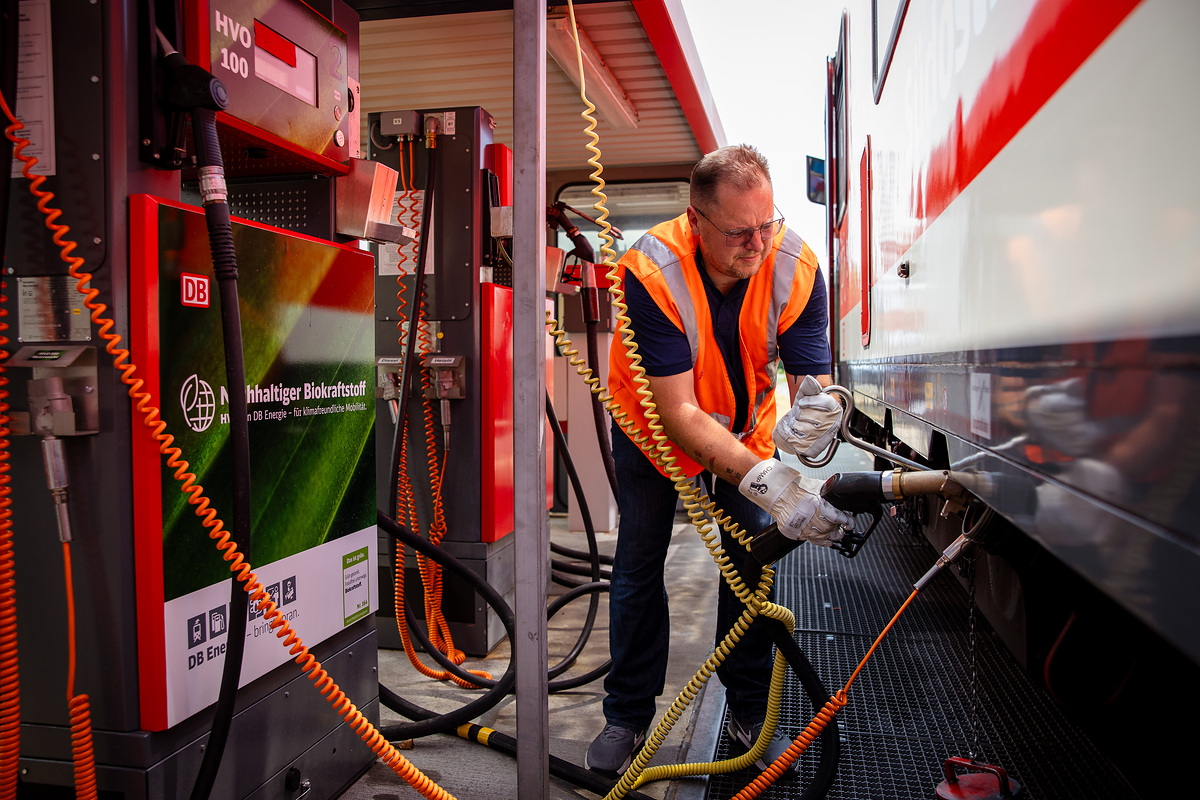
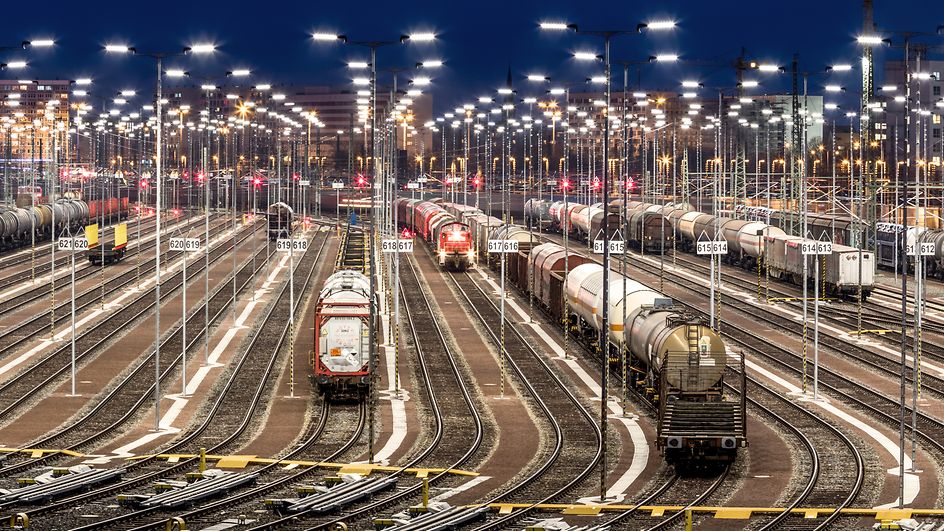
To supply locomotives with HVO, DB has already converted around 20 refueling stations in Germany and signed long-term HVO supply agreements, benefiting especially DB Cargo. Two of the largest refueling stations are located at the Halle (Saale) and Munich-North classification yards. Diesel and shunting locomotives can now refuel HVO at these locations, which can also be used by other railway companies.
Biofuel in track construction
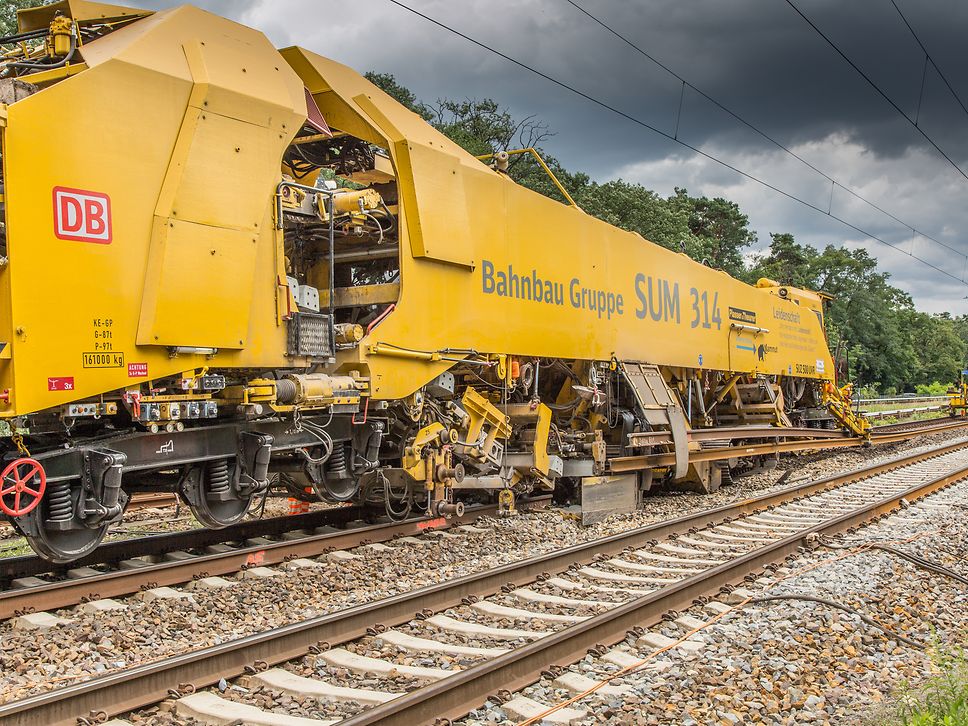
The entire rail vehicle fleet of DB Bahnbau Group is approved for HVO fueling in track construction. Drivers can refuel wherever HVO is available. Two DB Bahnbau refueling stations in Königsborn and Augsburg have already been converted.
Climate-friendly Sylt Shuttle
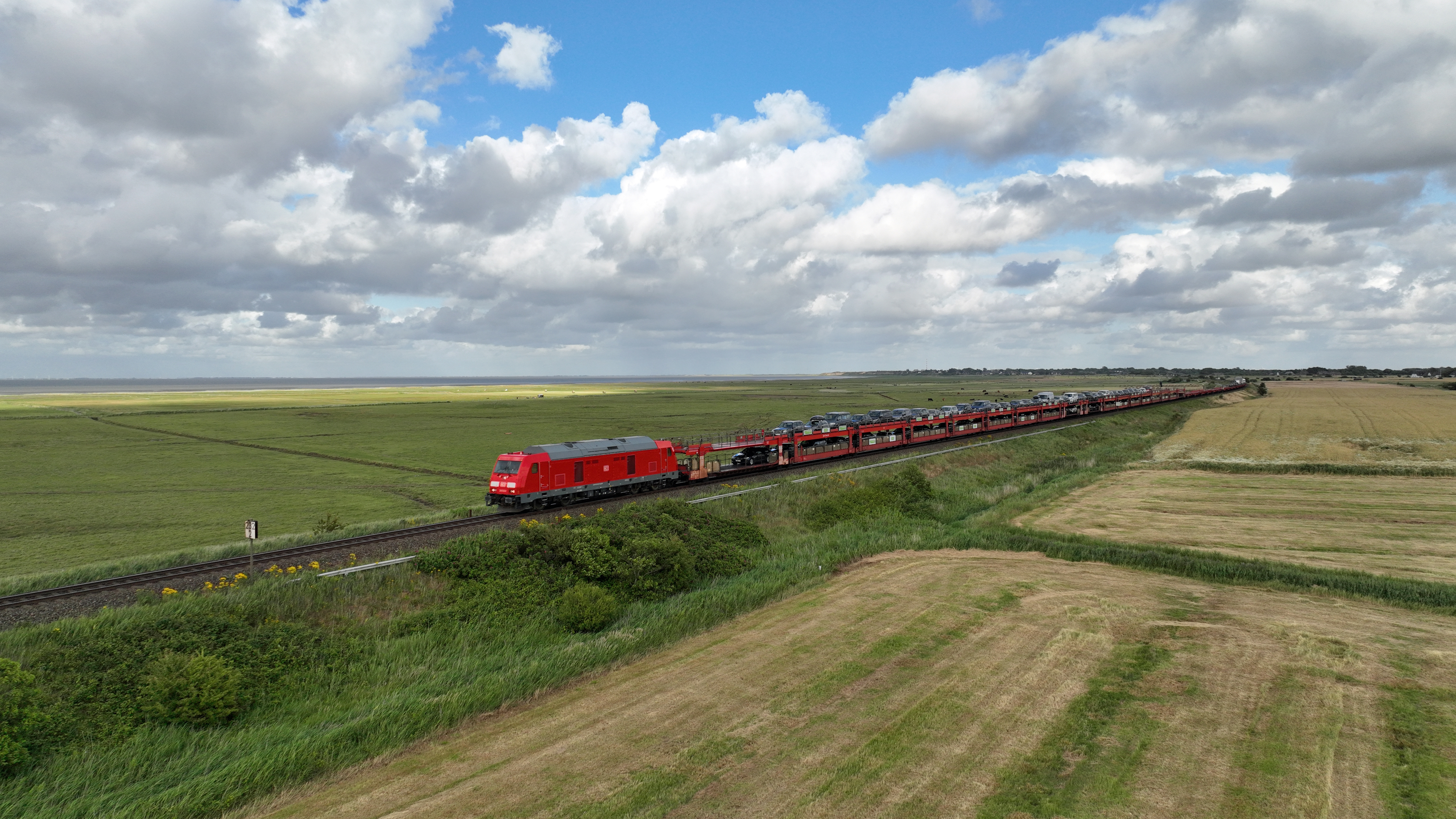
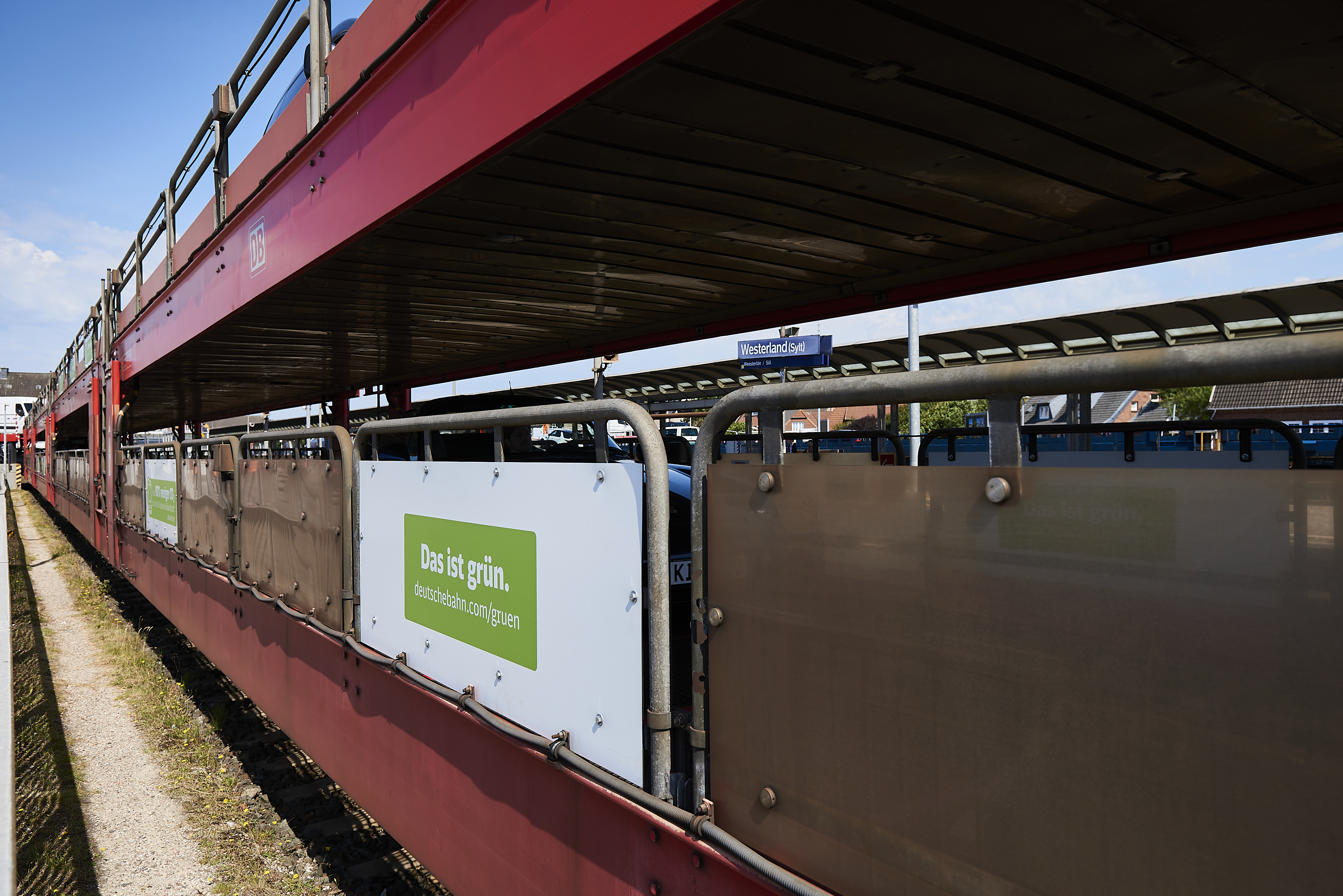
At DB Fernverkehr, biofuel is also used. Auto-trains of the Sylt Shuttle are fueled with HVO, avoiding around 7,300 tons of CO2e annually on the Westerland–Niebüll route. Intercity trains between Hamburg and Westerland are gradually switched to HVO, projecting a total greenhouse gas reduction of about 9,300 tons CO2e by 2025 across all Sylt services.
Climate-friendly regional transport
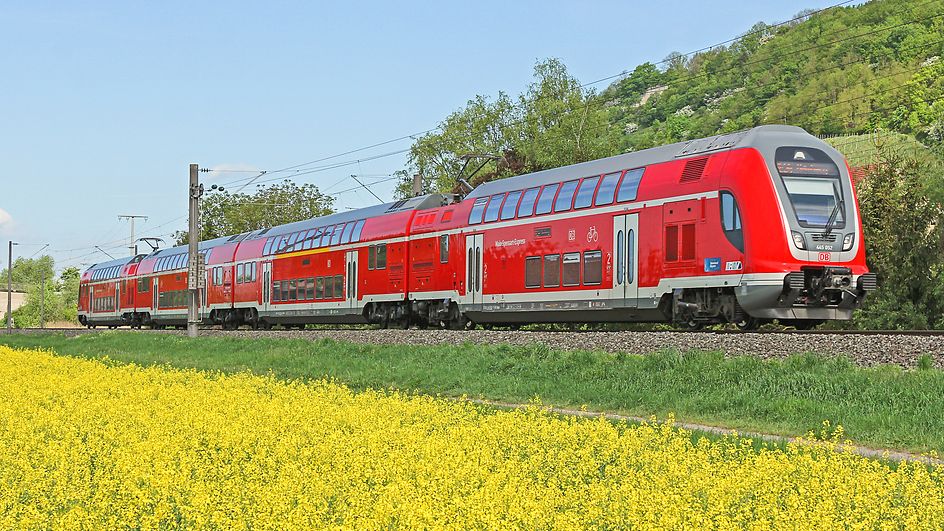
Regional transport is becoming more climate-friendly as well. In the Aulendorfer Kreuz and Donau-Ostalb regional networks, DB Regio and the state of Baden-Württemberg operate the first trains fueled with HVO. Diesel trains require no modifications and refuel at the Aulendorf station, which has been fully converted from fossil diesel to biofuel. Other railway companies can also use this station.
In another pilot project, DB subsidiary Kurhessenbahn and the Nordhessischer VerkehrsVerbund (NVV) operate with climate-friendly HVO. DB Energie expanded the refueling station in Kassel to accommodate biofuel. The Schwarzatalbahn in Thuringia is also piloting HVO, refueling at the Katzhütte rail station, upgraded by DB Energie.
Additionally, around 20 trains in the Sauerland network operate on HVO. A mobile refueling container in Fröndenberg supplies HVO to the RB 54 line trains. DB plans to expand HVO use to more locations across Germany, making regional rail transport even more environmentally friendly for passengers.
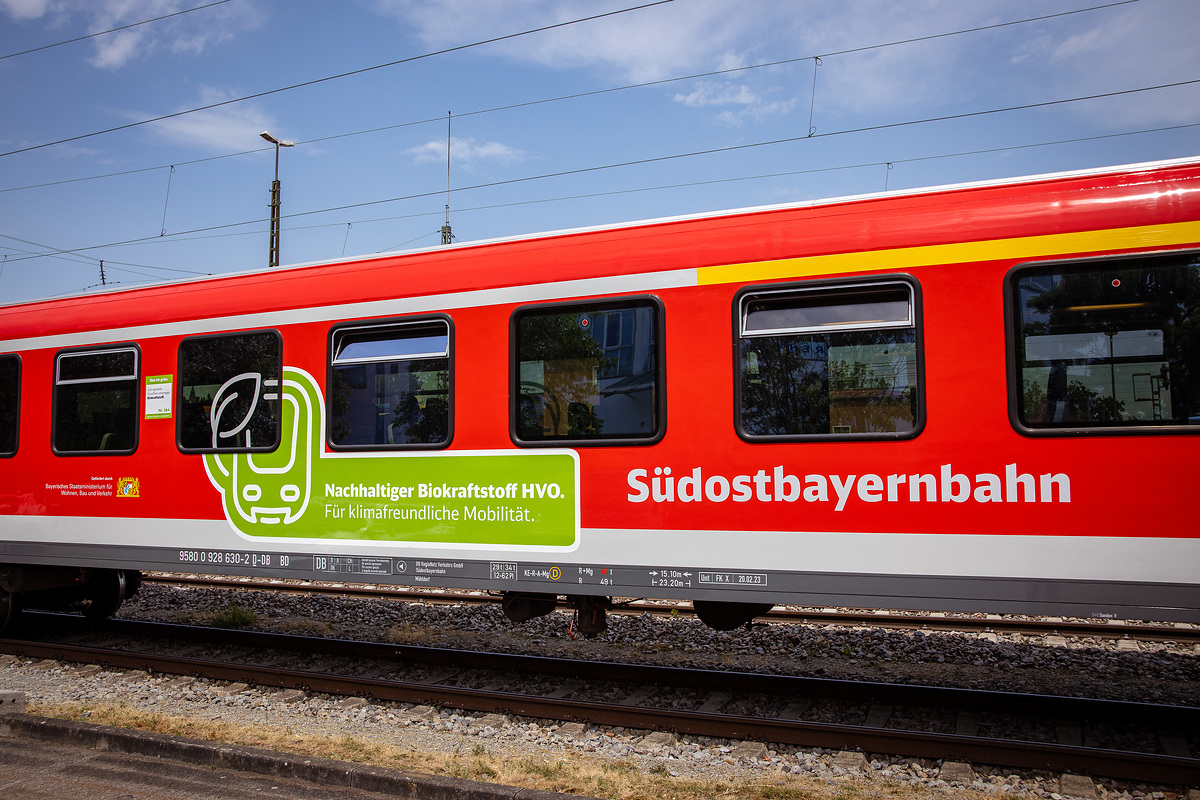
In Bavaria, seven trains of the Südostbayernbahn are piloting HVO use on the Gäubodenbahn (Neufahrn–Straubing–Bogen) and Rottalbahn (Mühldorf–Passau). DB Energie equipped the Straubing station for HVO fueling, co-financed by the state of Bavaria, which also covers HVO costs for at least one year.
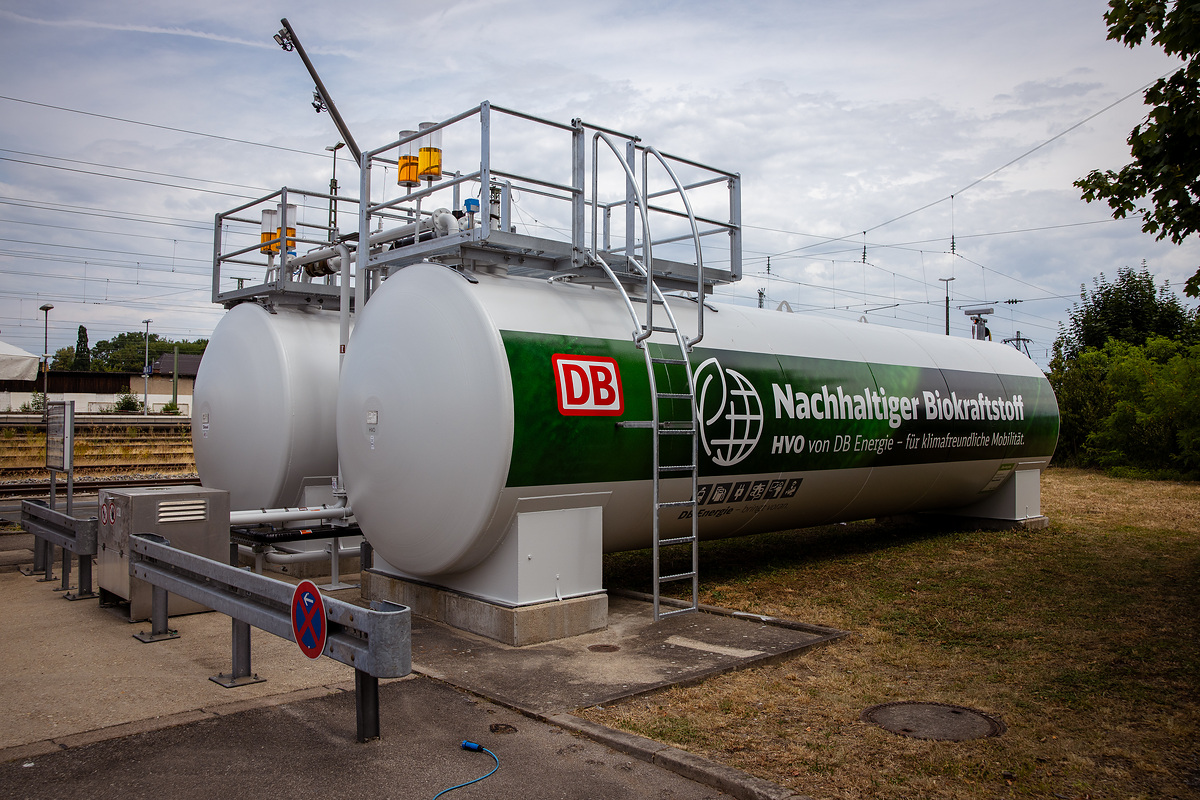
Fossil-free on the road
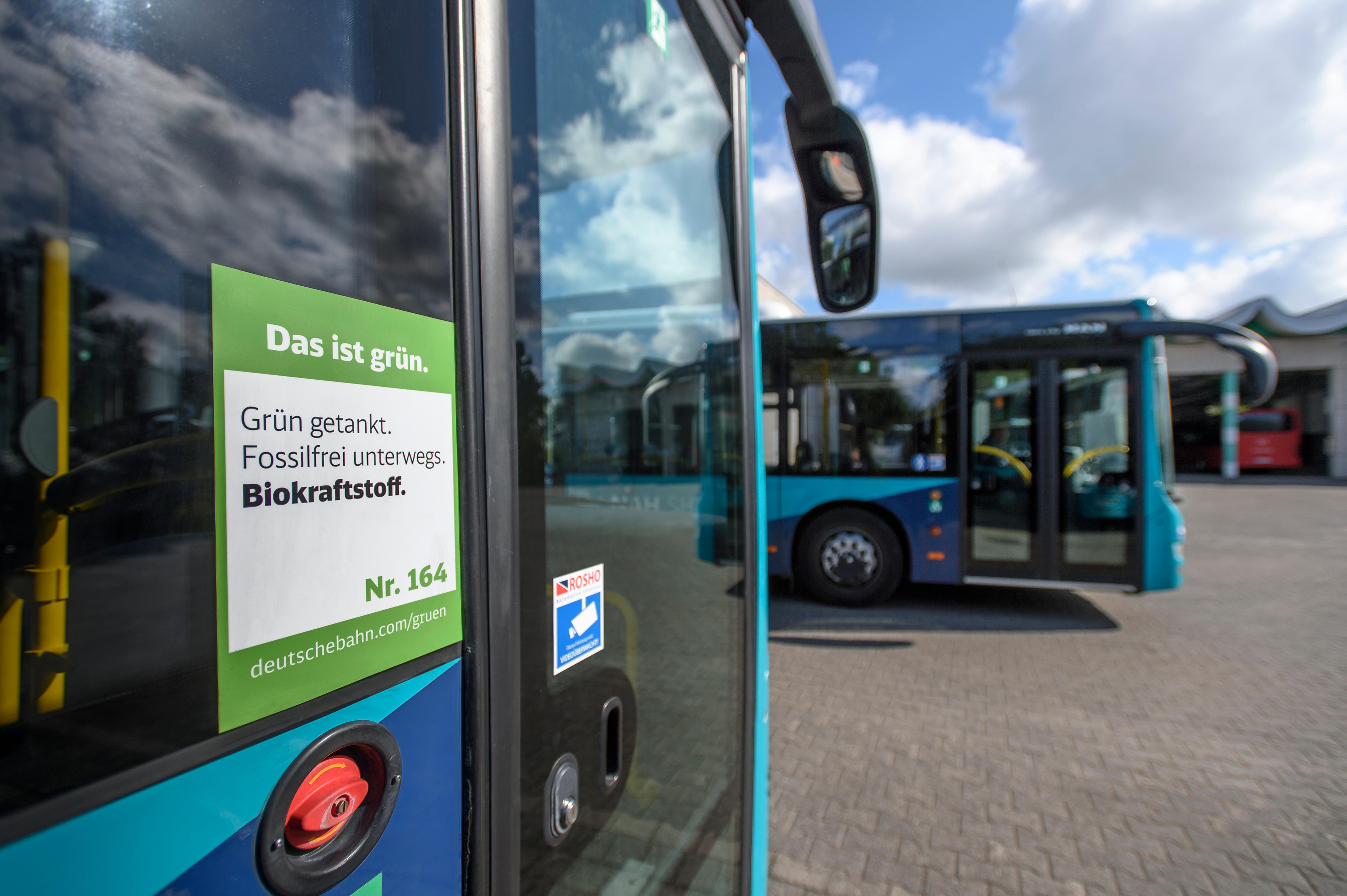
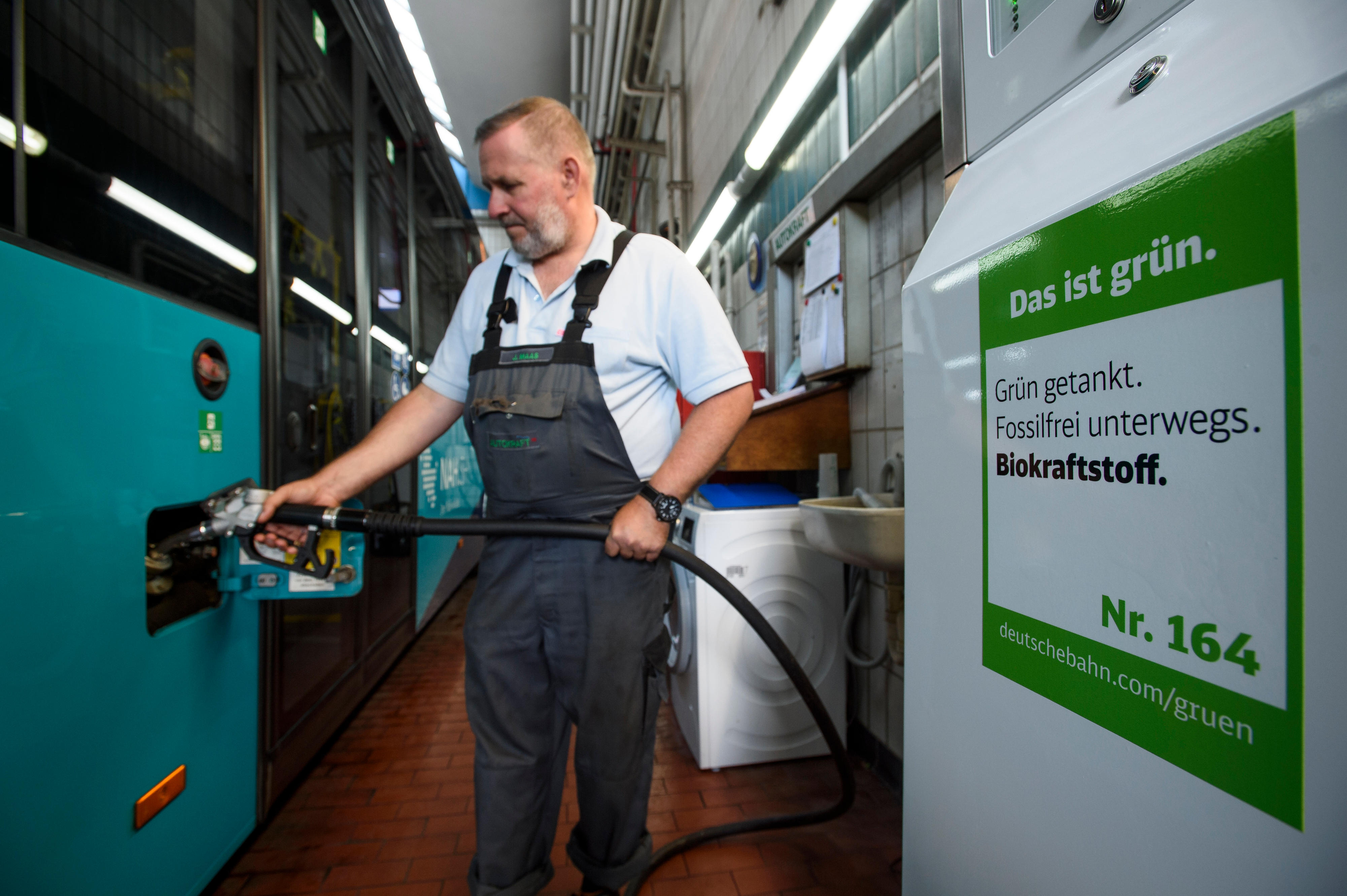
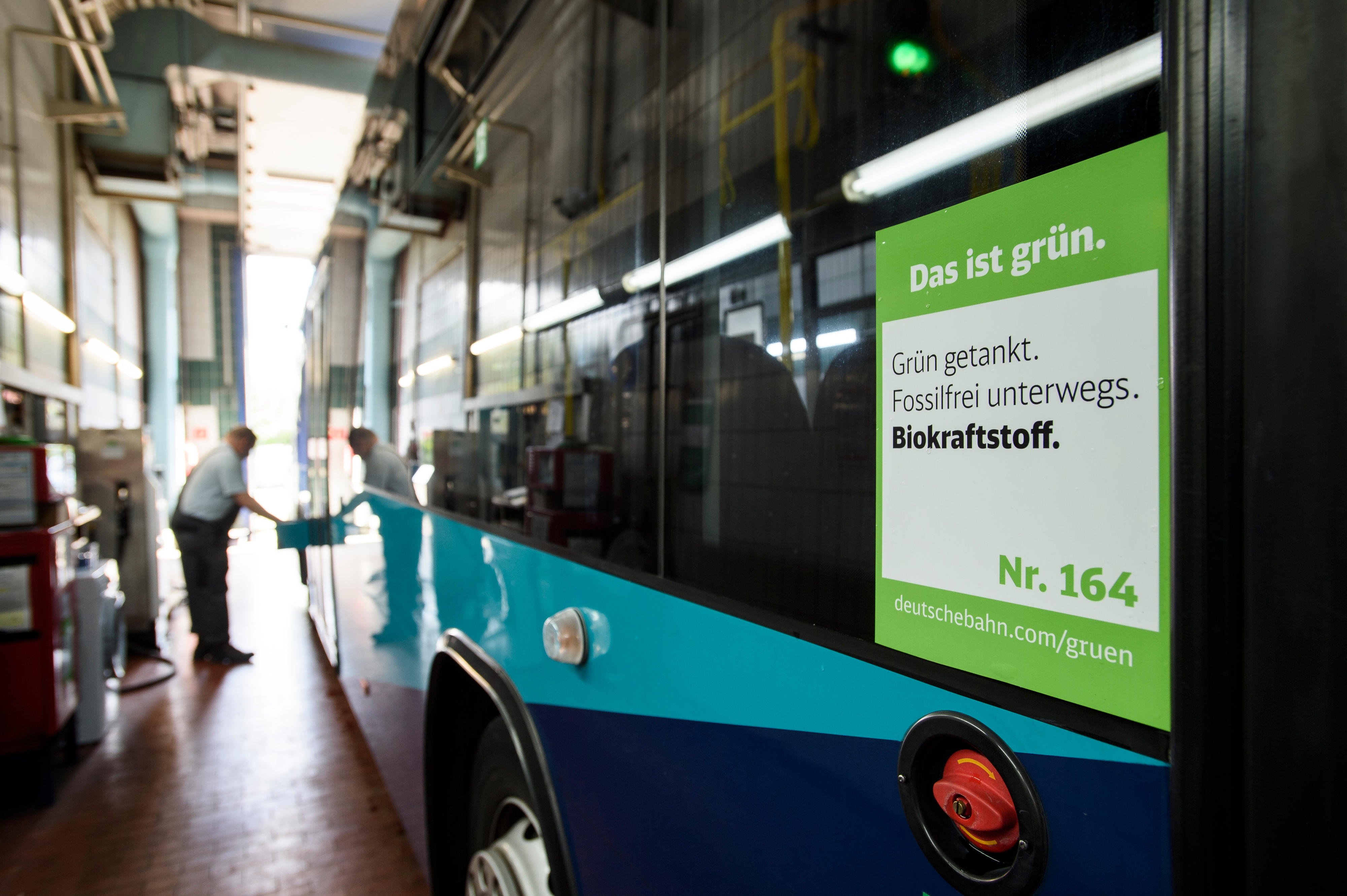
HVO is also a climate-friendly alternative to fossil diesel on the road. Buses of Autokraft GmbH (DB Regio Bus) in Schleswig-Holstein’s Ostholstein Süd use HVO. No vehicle modifications are needed, and consumption, refueling time, and driving behavior remain the same. Refueling takes place at Autokraft’s first regular HVO bus station in Neustadt.
 Go
Go