
Deutsche Bahn uses raw materials efficiently and keeps them in the cycle as long as possible. Under the umbrella of DB Bahnbau Gruppe, the DB-owned start-up encore makes this possible. encore | DB gives used e-vehicle batteries a second life as energy storage systems for renewable energies.
Batteries of yesterday for tomorrow's climate-friendly energy
Lithium-ion batteries have become a key technology for e-mobility. However, their capacity is limited. Many manufacturers replace batteries when they no longer meet vehicle requirements. Yet, they still have enough power for other purposes. encore | DB recognized this and repurposes old batteries into energy storage systems for renewables. These second-life battery storages can store energy from solar, wind, or hydropower and remain in use for many more years depending on the application. They can supply electricity during unexpected outages or when energy demand is high.
Keeping valuable raw materials in use
By reusing old batteries and extending their lifespan, encore | DB reduces the need for primary raw materials. This avoids the extraction of non-renewable resources such as lithium, nickel, or cobalt, which would otherwise be required for producing new battery storage systems.
Second-life battery storage with electric-car batteries
To build the second-life storage systems, the start-up purchases old batteries from car manufacturers and refurbishes them. encore | DB manages the entire process — from dismantling the battery packs and manufacturing the storage modules to installation, operation, and maintenance. The first of these storage systems went online in July 2022 at EUREF Campus in Berlin. It is part of a Micro Smart Grid, a network that intelligently links different energy sources, consumers and storage units. A total of 24 battery modules from six electric cars were installed there.
First ICE depot equipped with storage
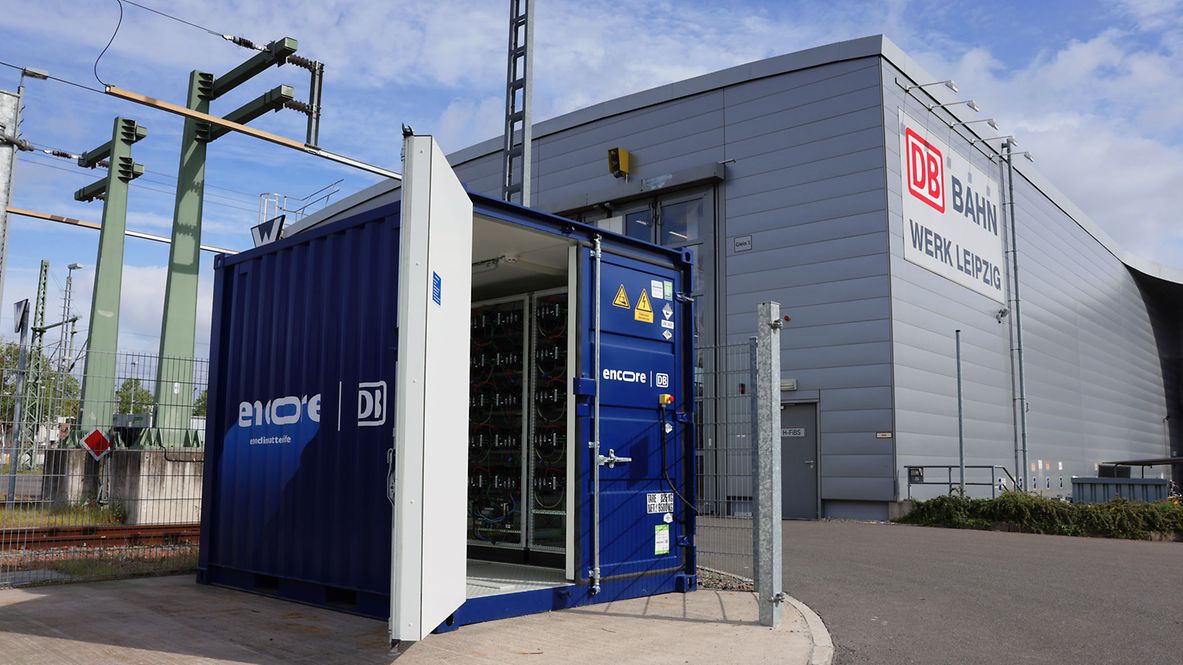
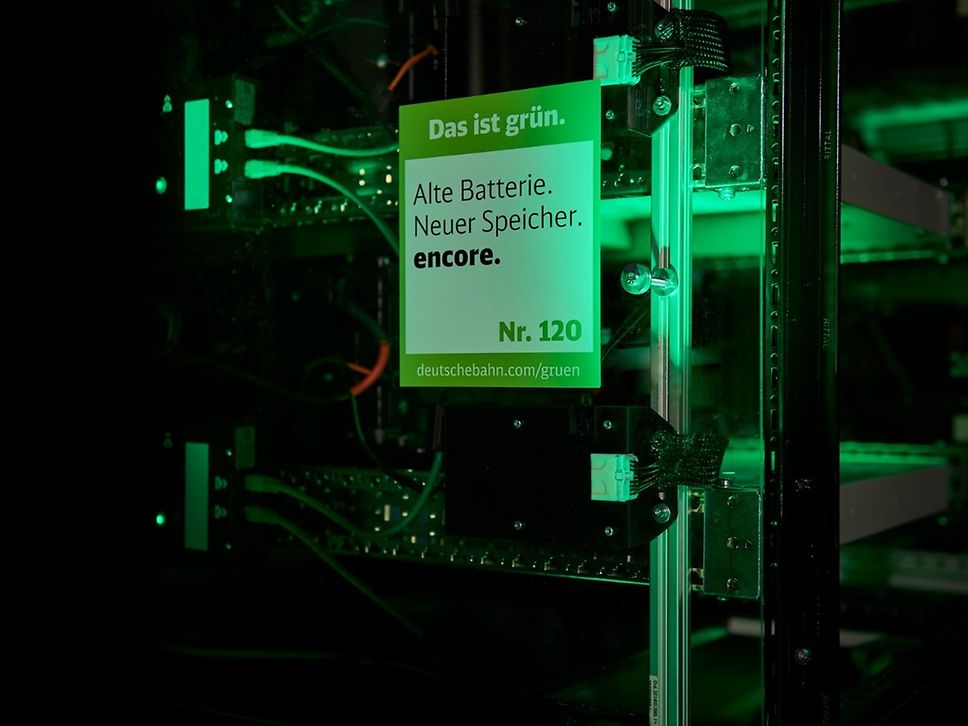
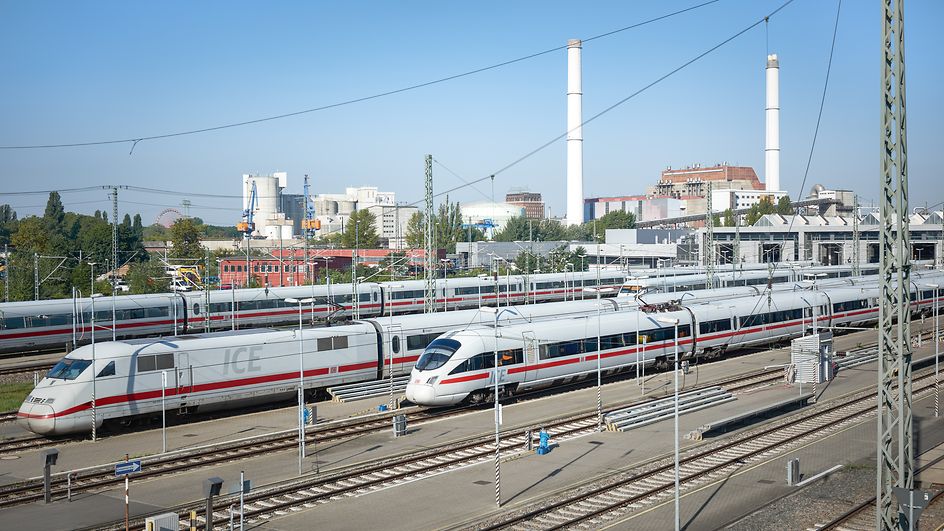
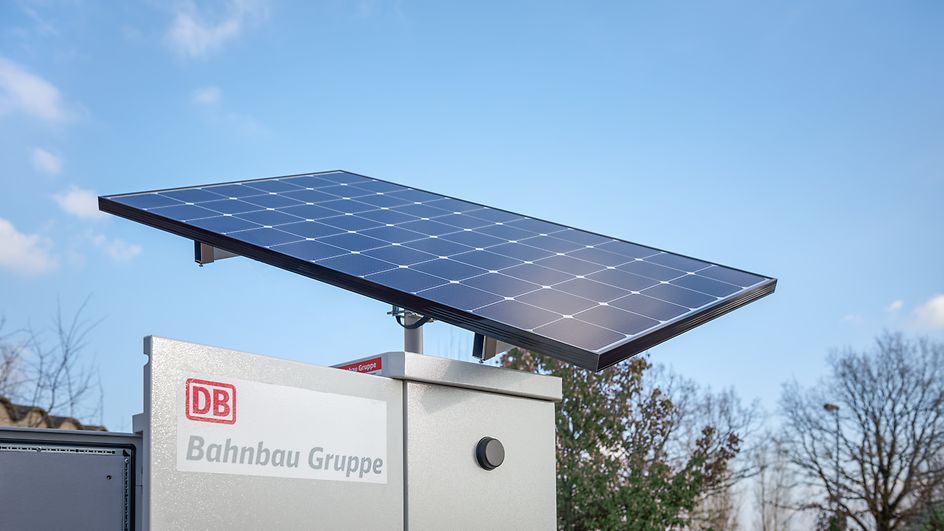
In May 2025, the ICE depot in Leipzig was equipped with a second-life storage combined with a photovoltaic system. A total of 30 used battery modules from eight electric cars were reused. The battery stores solar power from the PV system, which is used when energy demand in the workshop is high. The intelligent storage communicates with the PV system and continuously monitors the depot’s electricity needs. After the Leipzig long-distance depot, DB plans to equip the Kassel depot of DB Fahrzeuginstandhaltung with a battery storage system.
Climate-friendly energy at Zorneding station
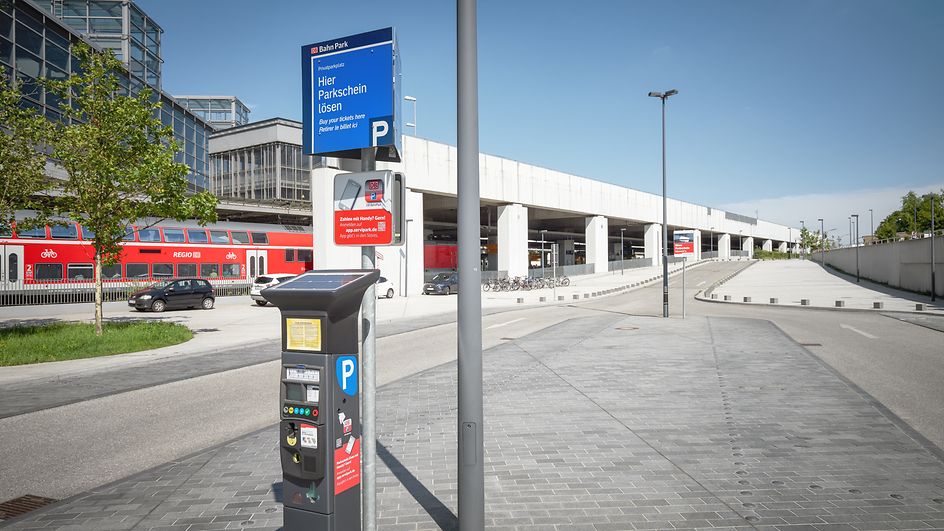
At Zorneding station in Bavaria, a second-life storage system combined with a photovoltaic system provides sustainable energy. During the day, it stores solar power and supplies it as needed. In the future, such storage systems could help prevent disruptions during short-term power outages, replacing conventional diesel emergency generators in digital signal boxes.
encore | DB also uses so-called second-chance batteries. These are unused, like-new battery modules that were not installed in vehicles due to overproduction. They provide the same high quality as new batteries without additional resource extraction.
In the future, encore | DB plans not only to use batteries from external manufacturers but also from DB’s own e-vehicle pool, giving them a second life.

 Go
Go