
To shift transport sustainably to climate-friendly rail, infrastructure must be expanded. This sometimes requires interventions in nature. As compensation, Deutsche Bahn creates new habitats elsewhere.
DB Climate Forest – Thoughtfully sustainable
As part of the planned new Frankfurt–Mannheim line, Deutsche Bahn laid the first foundations for the DB Climate Forest project many years ago. Together with the Bundesforst (the forestry division of the Institute of Federal Real Estate), Ökoagentur für Hessen, external environmental consultancies and local communities, DB has implemented various subprojects in southern Hesse. The DB Climate Forest extends DB’s commitment to forest protection, preserves existing forest biotopes, connects them and develops new forest areas. This not only compensates for land used by future construction but also counters ongoing forest dieback.
Sustainably designed – the five subprojects at a glance
On a total area of around 500 hectares, Deutsche Bahn connects sensitive habitats in southern Hesse, strengthening biodiversity. The DB Climate Forest comprises five ecological subprojects: climate-stable forest restructuring in the Pfungstädter Wald, the promotion of natural forest development with open clearings in the Wisentwald Muna Münster, the creation of inland dunes below the power lines in the Beckertanne near Darmstadt, the pilot project for a resilient forest edge in the Griesheimer Sand, and the preservation of old sparse oak forests in the Beckertanne.
Climate-resilient mixed forest – Pfungstädter Wald
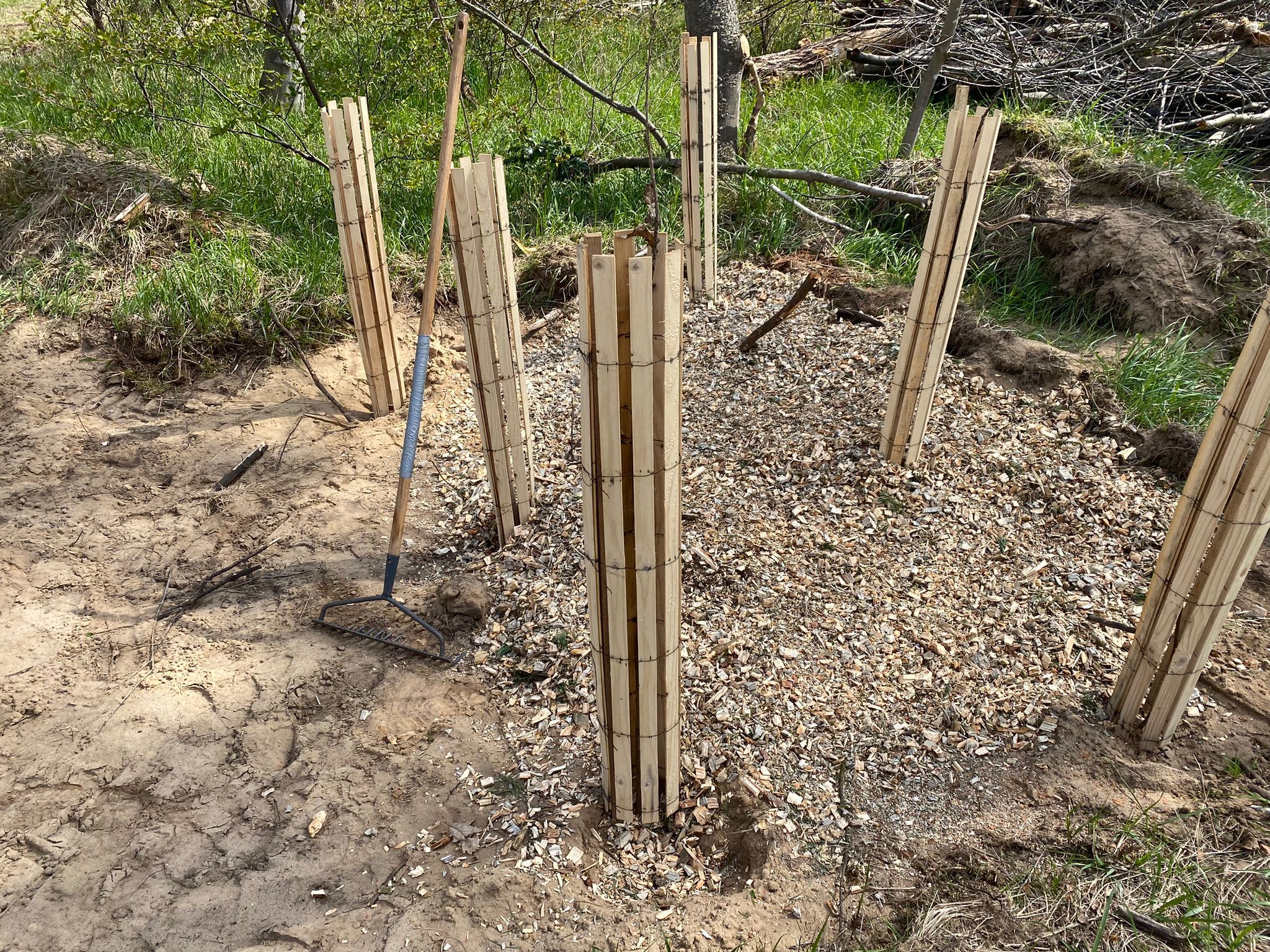
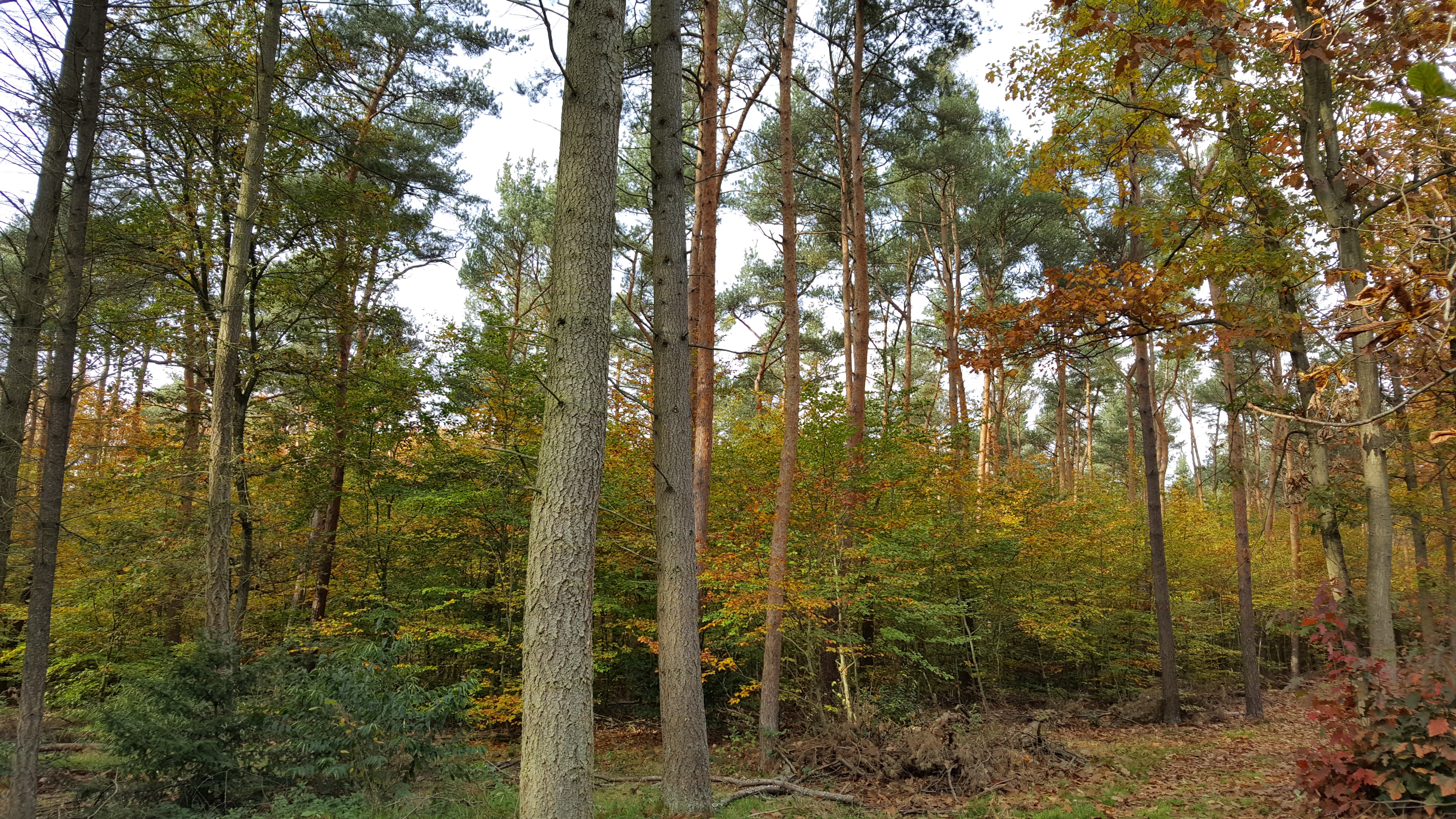
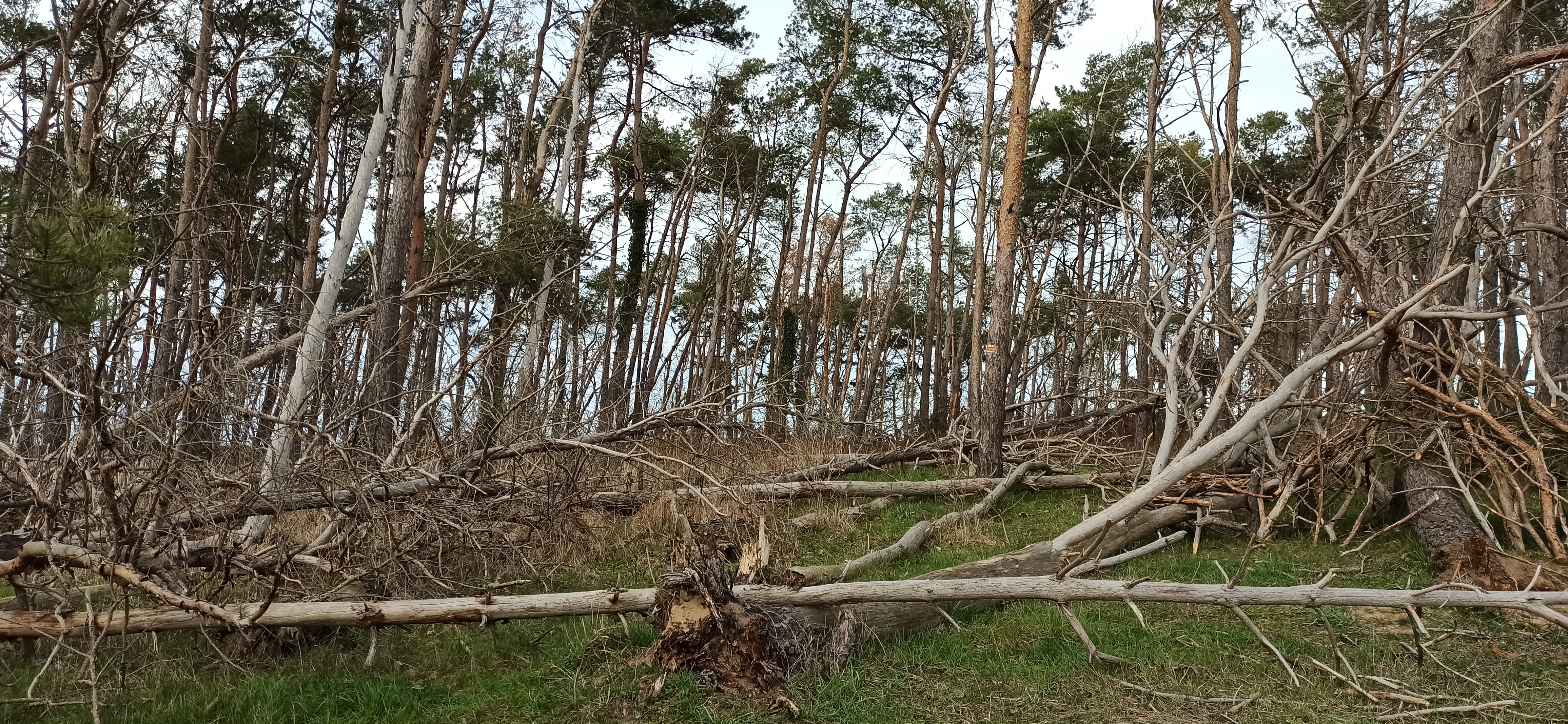
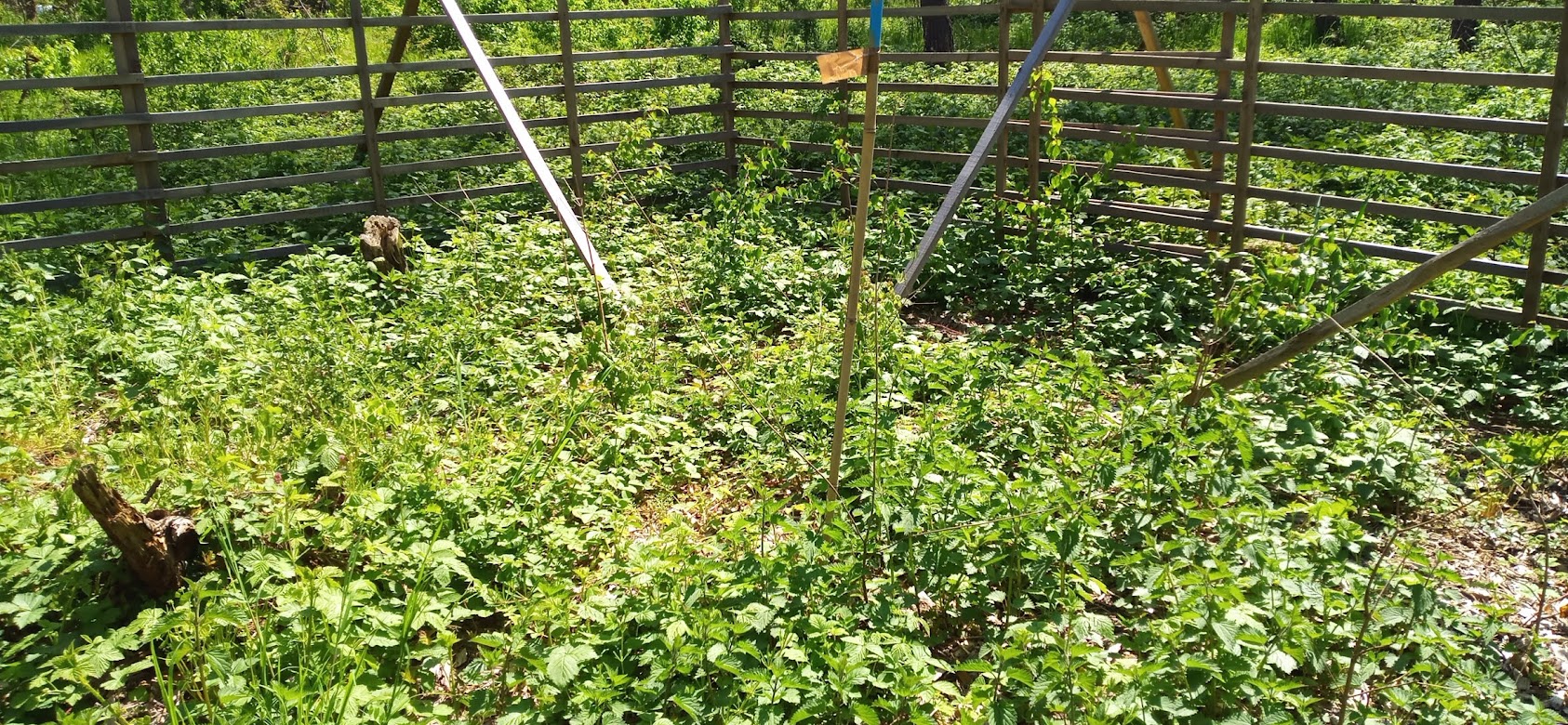
To secure the future of Pfungstädter Wald, it must be sustainably transformed. Hot, dry summers have shown the vulnerability of the existing monoculture forest. Many conifers are already dead and are easy prey for bark beetles, Maybugs and various plant diseases. On about 250 hectares, the Ökoagentur Hessen is planting over 100,000 trees and shrubs by 2030 on behalf of DB. The goal is a climate-resilient mixed forest of native trees such as oaks, hornbeams, and wild service trees. Nine native tree and shrub species are planted together in what are known as nests. The planting sites are then covered with woodchippings to protect them from the dry conditions and from browsing by wild animals. This is because the fresh buds are at the top of the menu for deer and other wild animals.This allows a richly structured forest to emerge that offers protection and habitat to many animal species while also being able to withstand the changing climatic conditions.
100,000 new trees for a climate-resilient mixed forest – Pfungstädter Wald
To secure the future of Pfungstädter Wald, it must be sustainably transformed. Hot, dry summers have shown the vulnerability of the existing monoculture forest. Many conifers are already dead and are easy prey for bark beetles, Maybugs and various plant diseases. On about 250 hectares, the Ökoagentur Hessen is planting over 100,000 trees and shrubs by 2030 on behalf of DB. The goal is a climate-resilient mixed forest of native trees such as oaks, hornbeams, and wild service trees. Nine native tree and shrub species are planted together in what are known as nests. The planting sites are then covered with woodchippings to protect them from the dry conditions and from browsing by wild animals. This is because the fresh buds are at the top of the menu for deer and other wild animals.This allows a richly structured forest to emerge that offers protection and habitat to many animal species while also being able to withstand the changing climatic conditions.

Wisentwald Muna Münster
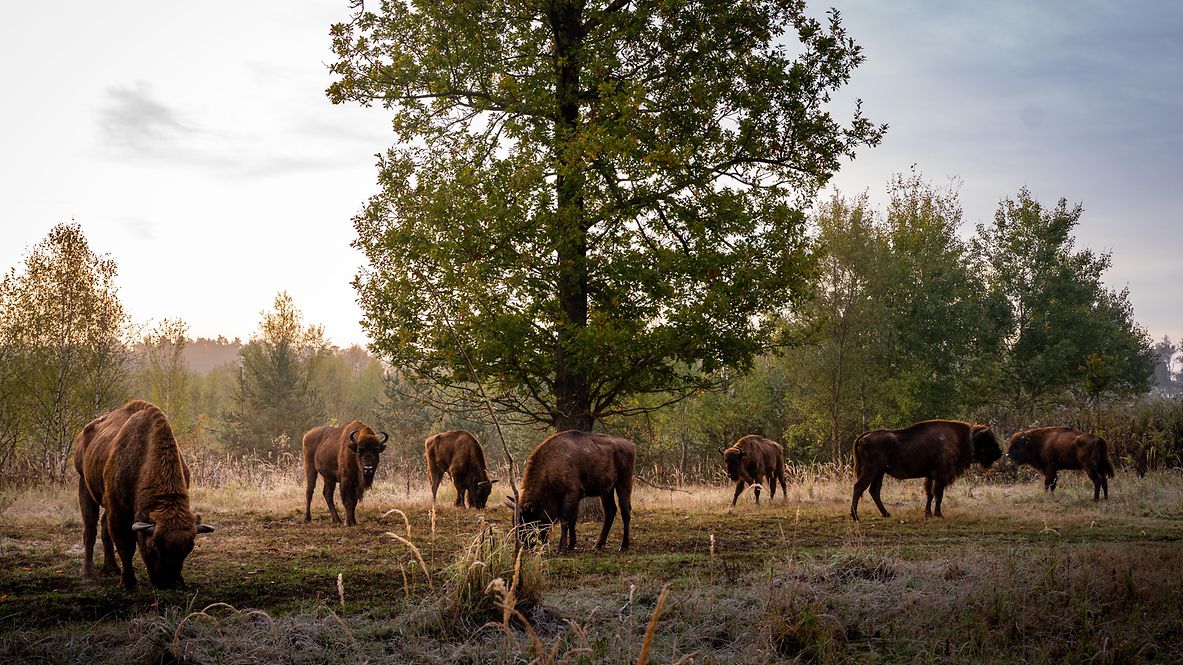
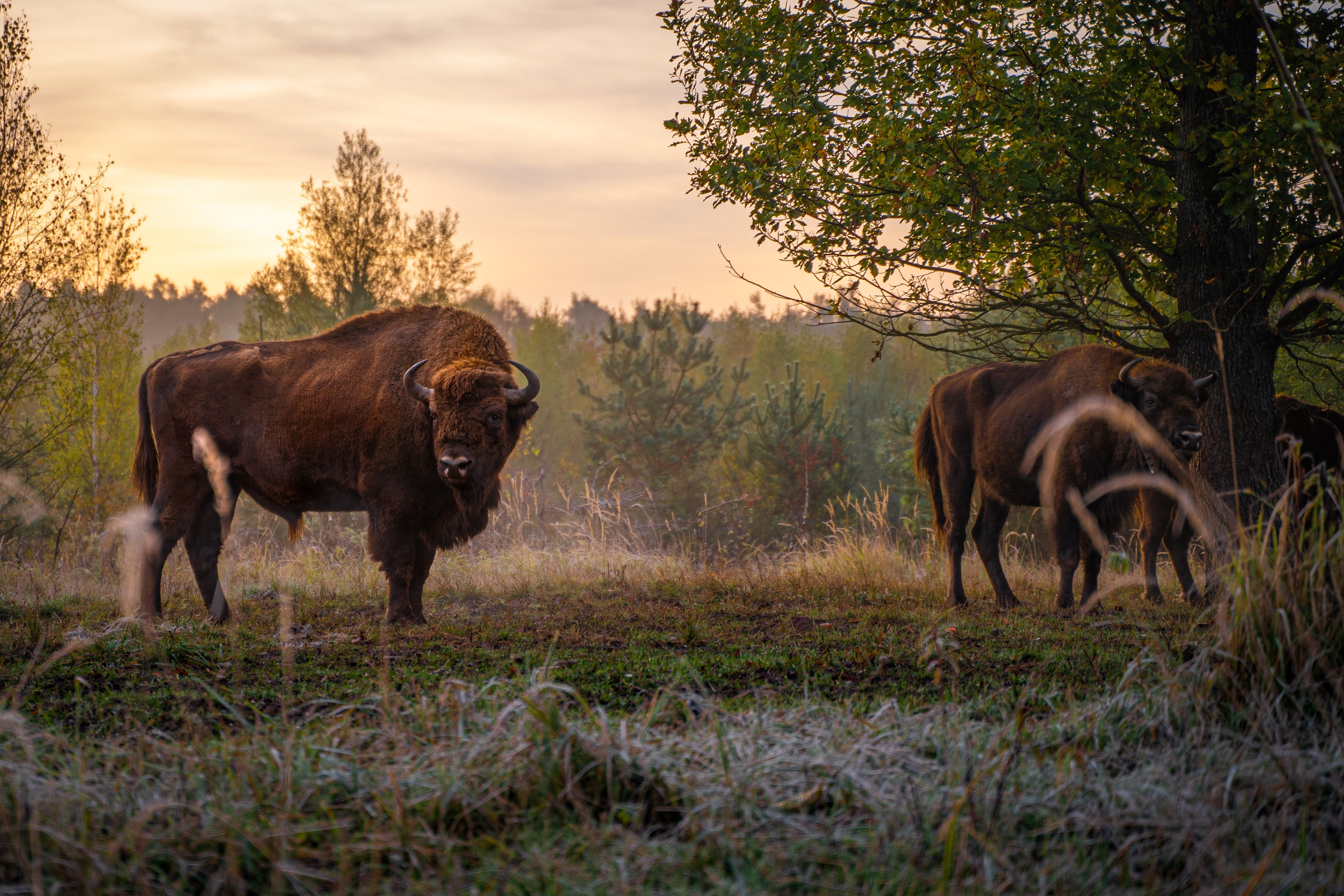
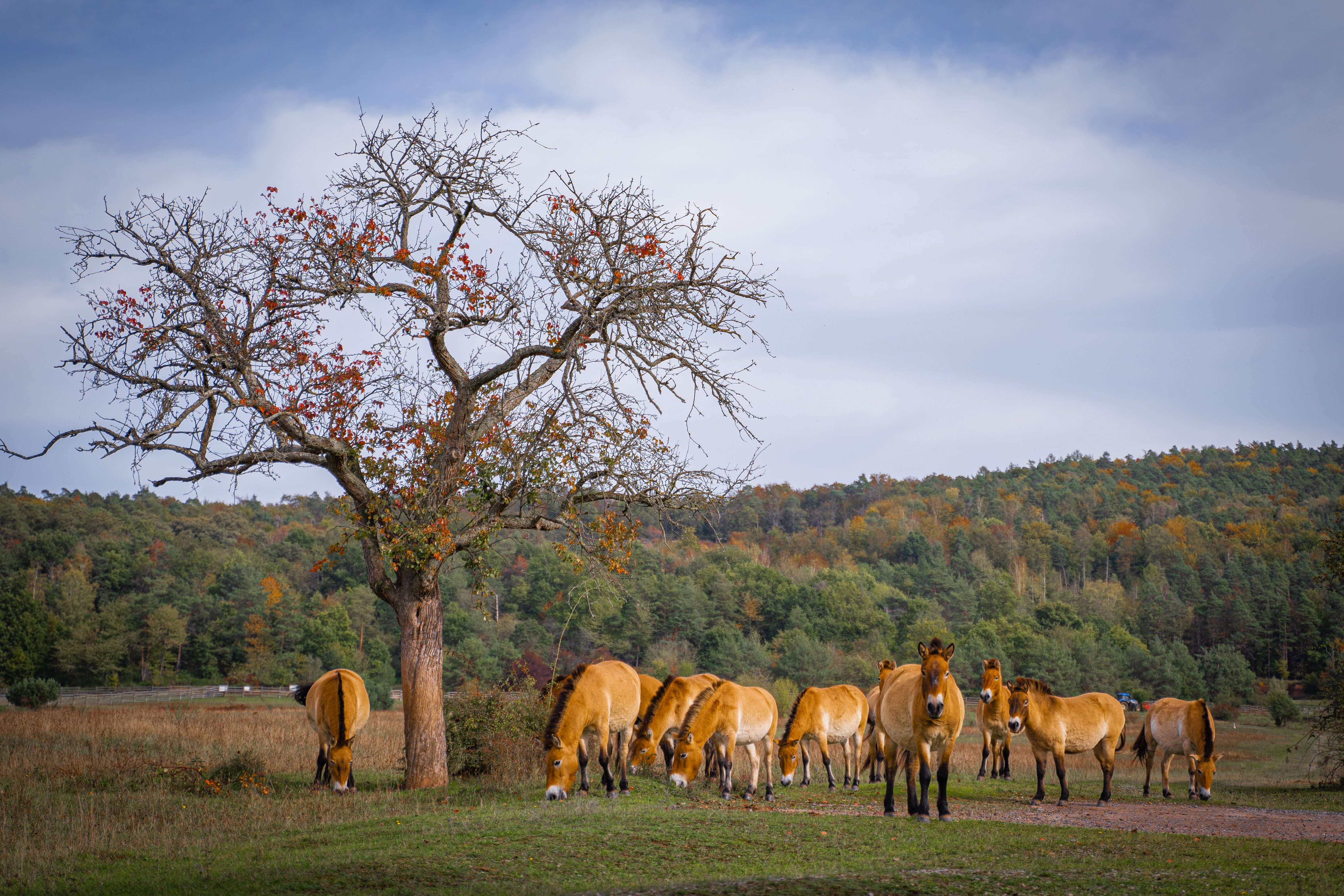
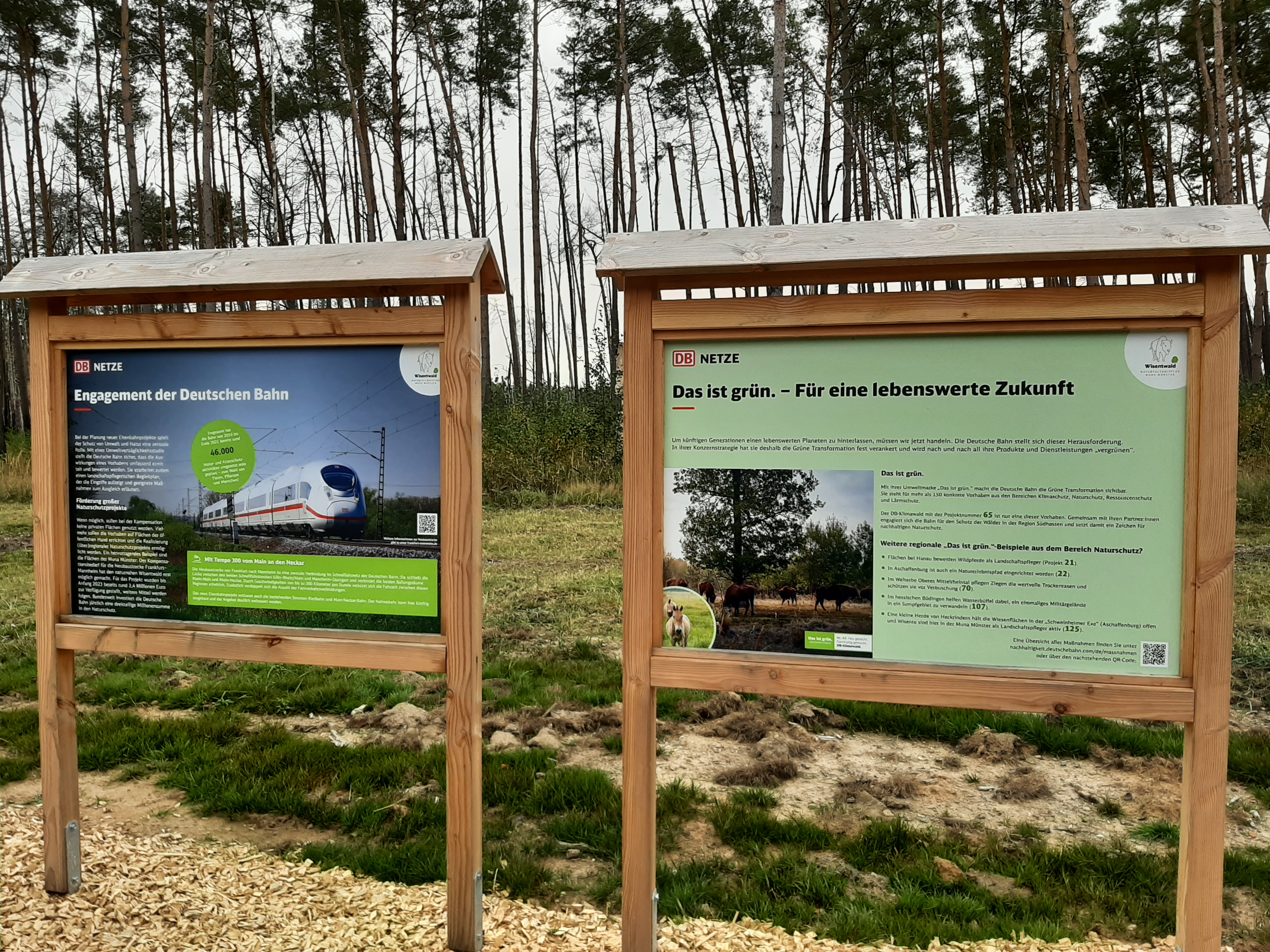
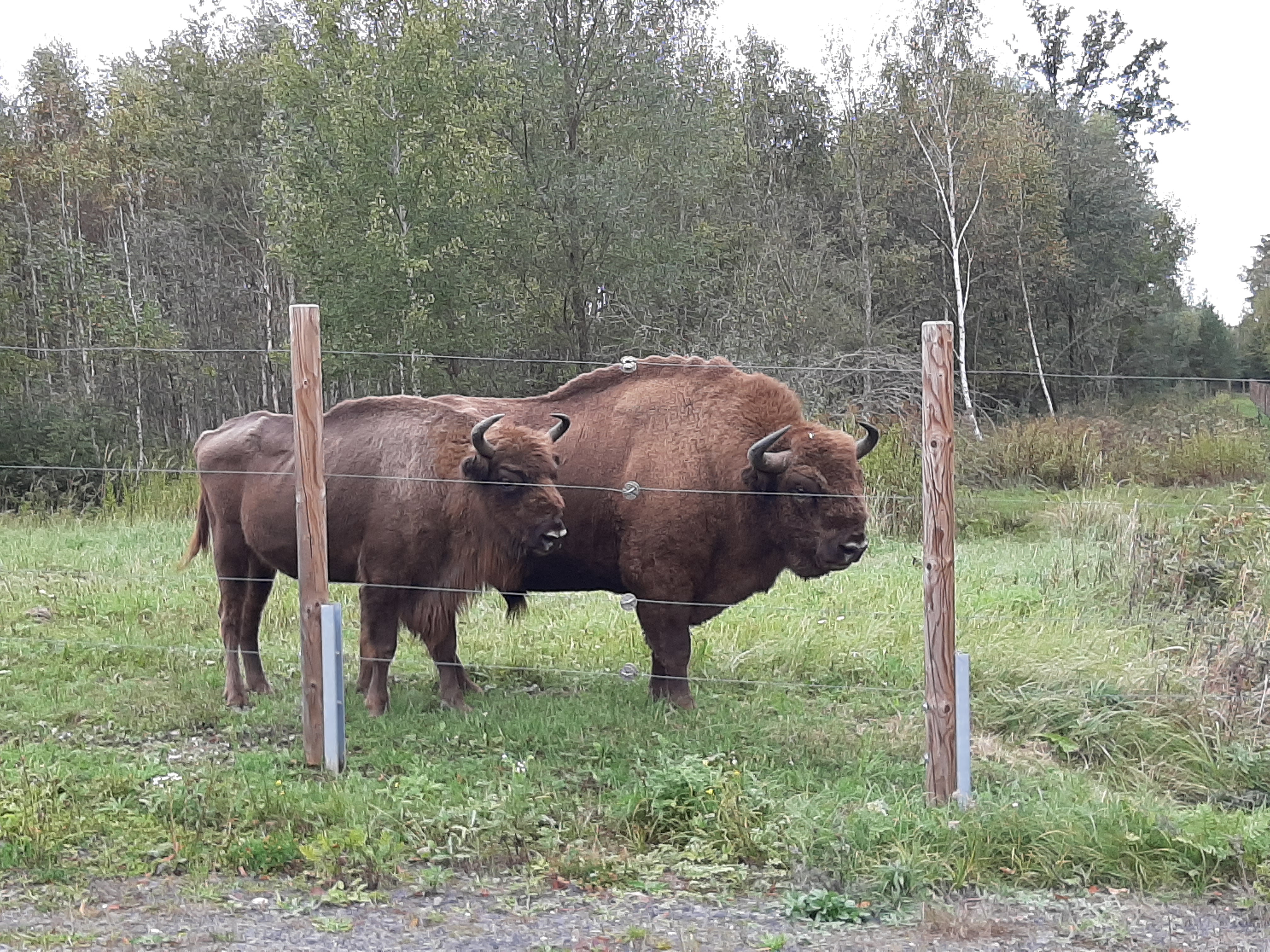
On around 260 hectares near Münster, east of Darmstadt, lies the Wisent Wald Muna Münster. The former U.S. Army base has been largely left to nature since the early 1990s, creating a unique natural forest complex that provides habitat for many species, including wisents and wild Przewalski´s horses. DB began implementing conservation measures here in 2011 to preserve and develop the forest, some trees of which are 150–200 years old. Since 2020, grazing animals maintain open areas, preventing overgrowth and supporting insects, which in turn serve as a food source for numerous bird species.
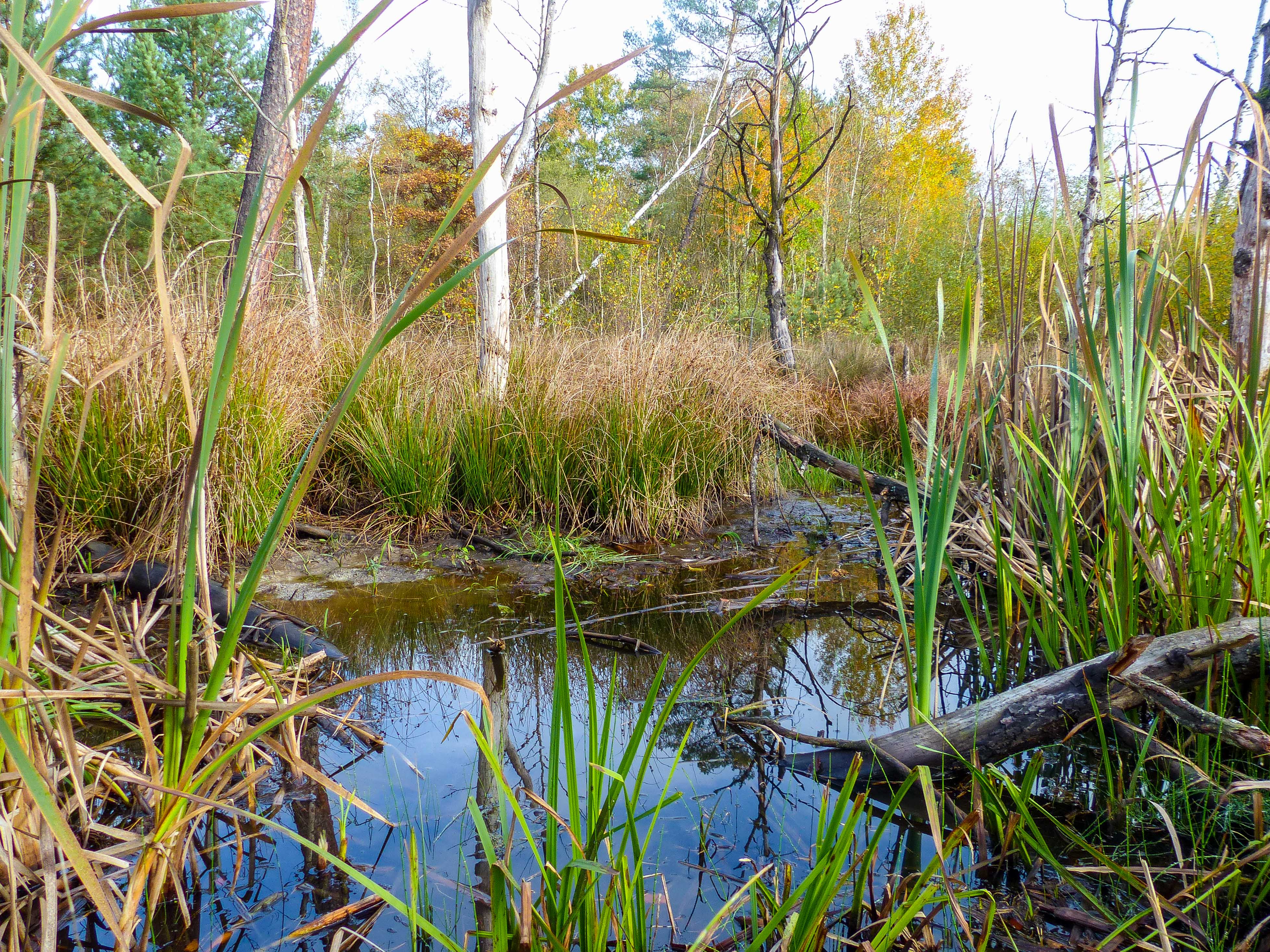
Drainage ditches are also being removed from these areas to allow "rewetting". This creates swamp-like structures that can slowly develop into bogs – an important carbon store.
Wisentwald nature discovery trail
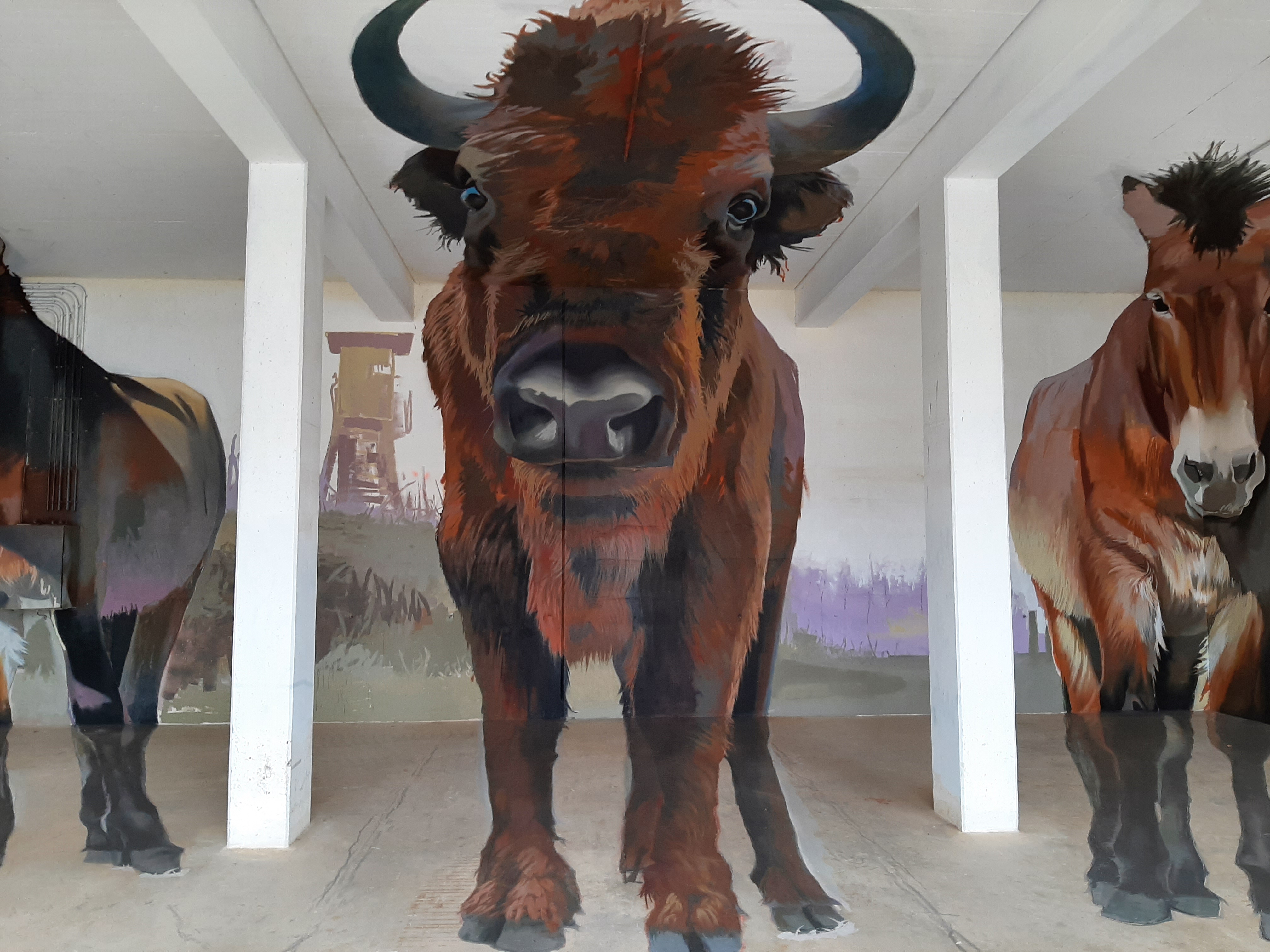
In October 2023, DB opened the Wisentwald nature discovery trail, the only one of its kind in Germany, on the grounds of the Muna. The 1.5-kilometer-long trail offers exciting insights into the biological diversity on site at various stations and provides information about the forest ecosystem. From a barefoot trail and a viewing platform with panoramic views of bison and Przewalski's horses to graffiti artwork in 3D look on the walls of the old bunkers: the nature trail offers diverse and fun activities for the whole family.
Since March 2024, the permanent exhibition "MUNATUR - von der Munitionsanstalt zum Biotop" has also been open in one of the former bunkers. The exhibition, designed by Büro für Erinnerungskultur Babenhausen, traces the eventful history of the Muna in images, text and sound.
Together with the Federal Real Estate Agency and the municipality of Münster (Hesse), DB is thus creating a special nature and learning site and further contributing to the ecological balance of the new expansion route.
Beckertanne – inland dunes along the power line
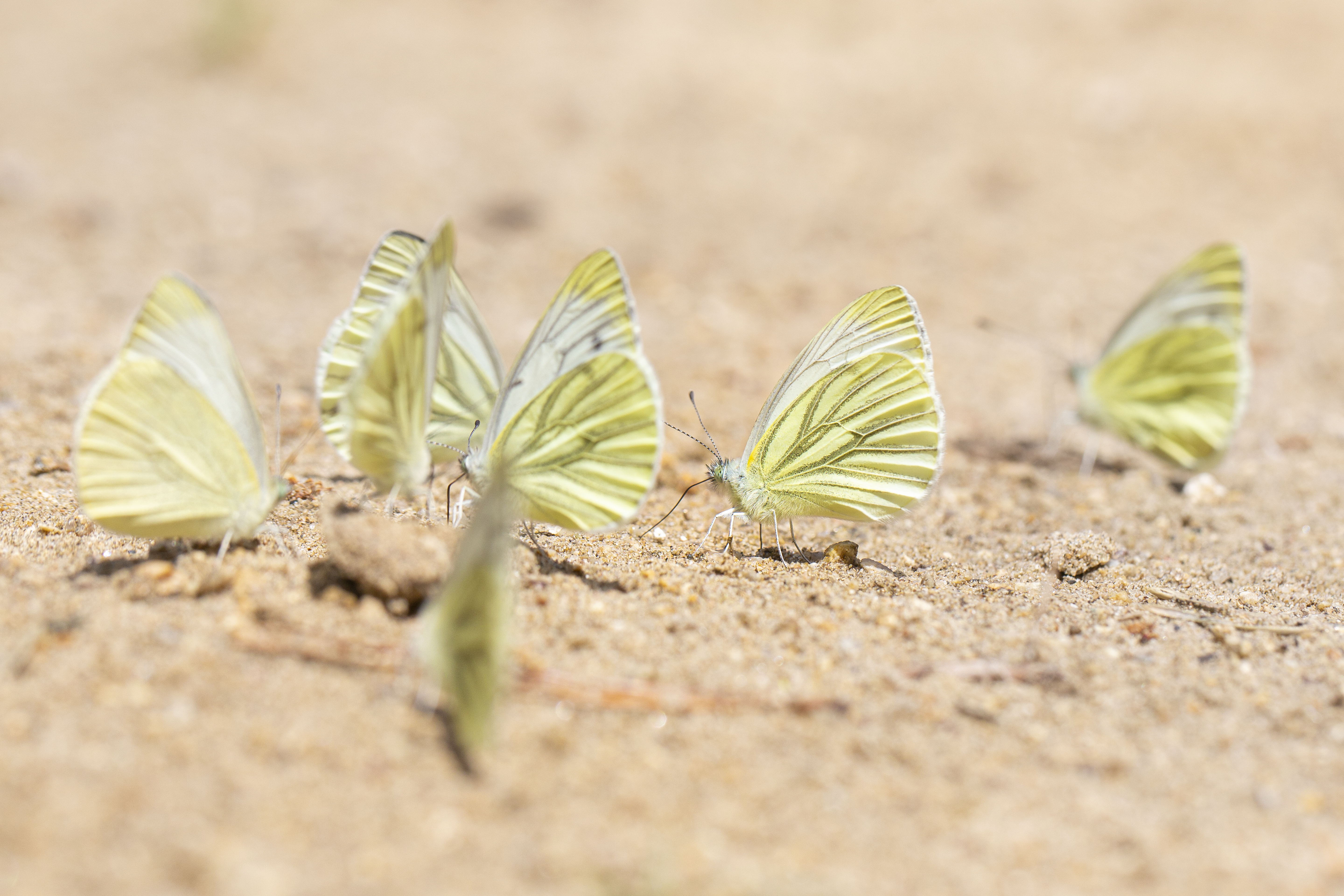
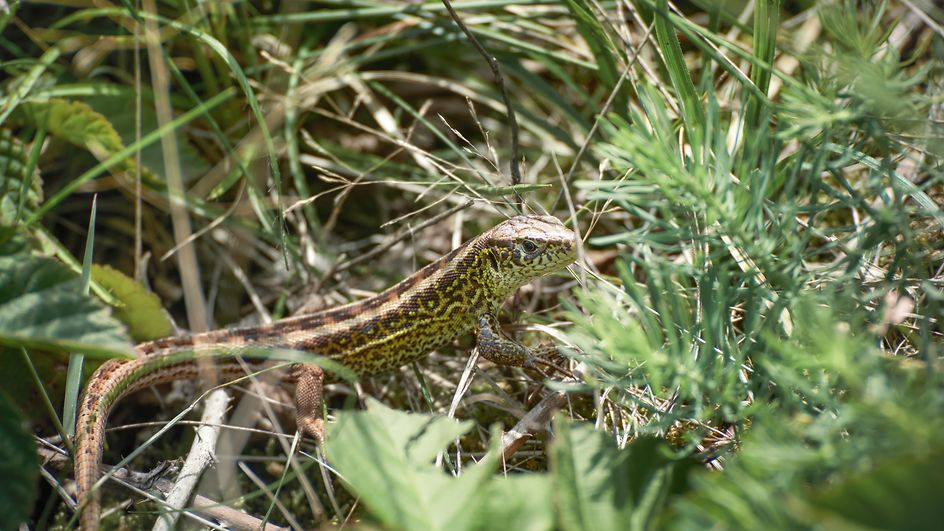
Beneath high-voltage power lines in the forest to the west of Darmstadt, DB and Ökoagentur Hessen restore a former dune landscape. After modernizing the lines to 50 meters, the area no longer required mowing. Grazing sheep and added sand have recreated dunes, providing habitat and food for insects, birds, bats, and reptiles. For several decades, the power lines here ran just 20 meters above the ground, meaning that the land beneath had to be kept free of trees and was regularly mown. This created a long strip of species-rich, sandy dry grassland and steppe grasses. When mowing ceased after the modernization of the power line, which now runs at a height of 50 meters, the forest began to reclaim the area. Rare species and habitats disappeared. In 2018, DB therefore began restoring the old dune landscape together with Ökoagentur für Hessen. Since then, sheep have been used to graze the land. The wind has formed new dunes using sand excavated from construction sites around Darmstadt. The open sandy areas and the abundance of flowers provide habitat and food for numerous insects, attracting many species of birds and bats. Reptiles also find plentiful feeding and breeding places here.


Beckertanne – sparse oak forest
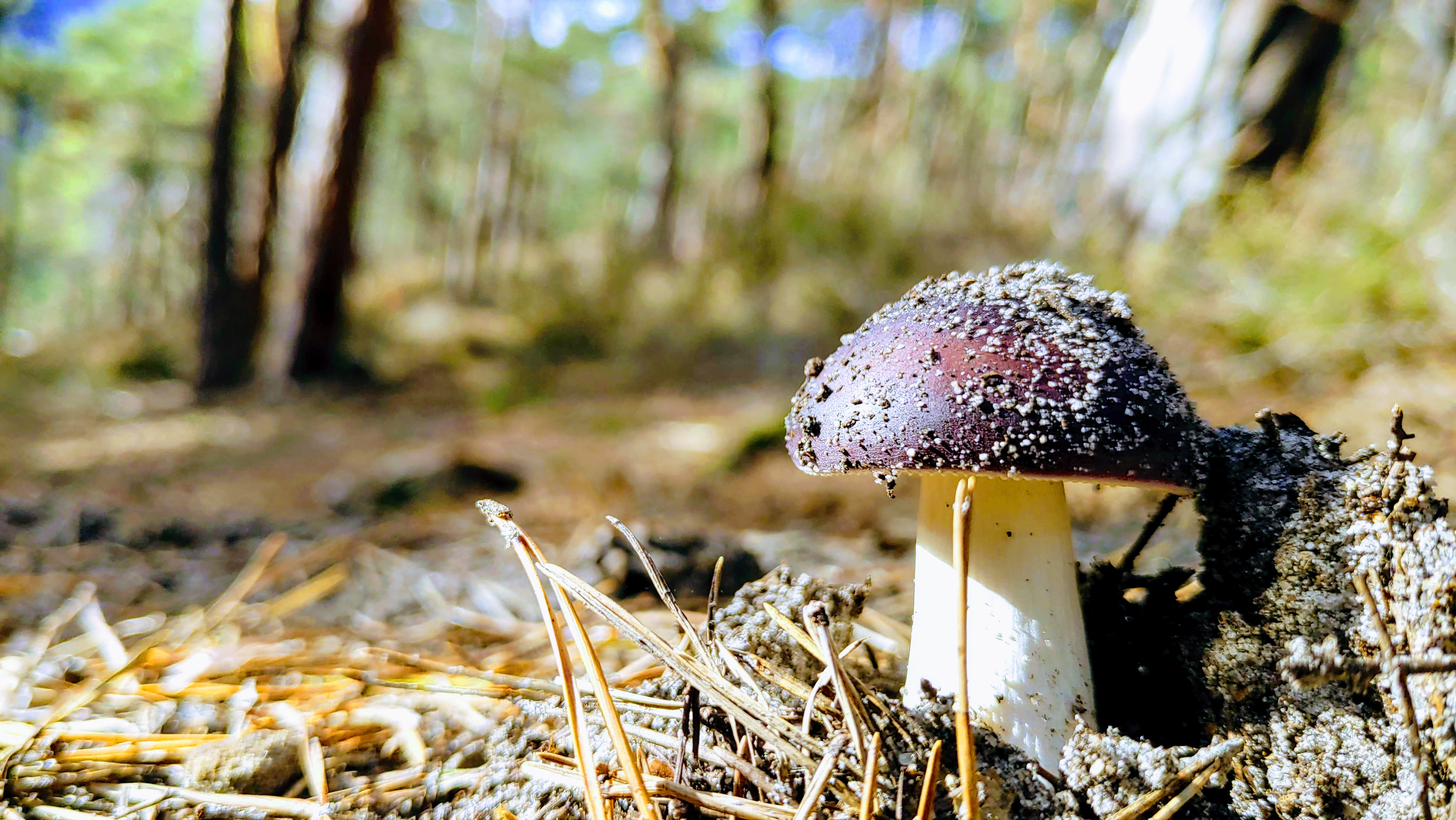
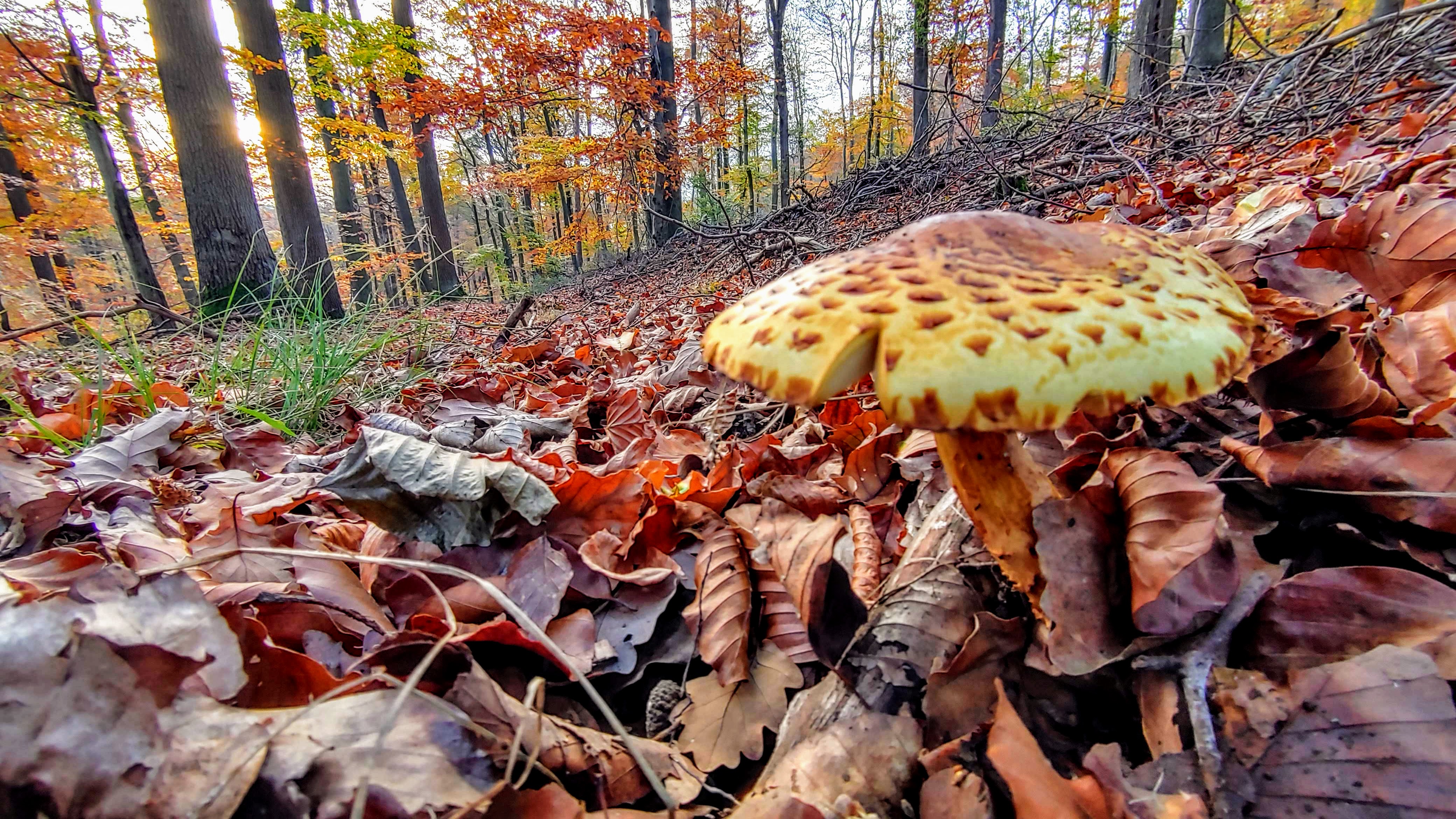
On a 20-hectare site east of the A67 motorway near Darmstadt lies the Beckertanne. The area was used for many years as a US Army training ground. Together with two other sub-areas, it forms a recognized fauna-flora habitat. At the southern end of the site and adjacent to it, there is a sparse oak forest of around 5 hectares. With targeted measures for sustainable grazing using sheep and donkeys, Deutsche Bahn is promoting biodiversity in the area and ensuring that many different bird and insect species colonize the site in the future. By protecting and preserving old and dead wood, habitats for animals that prefer dry and warm conditions, such as the now very rare great capricorn beetle, can also be secured.
Resilient forest edge in the Griesheimer Sand
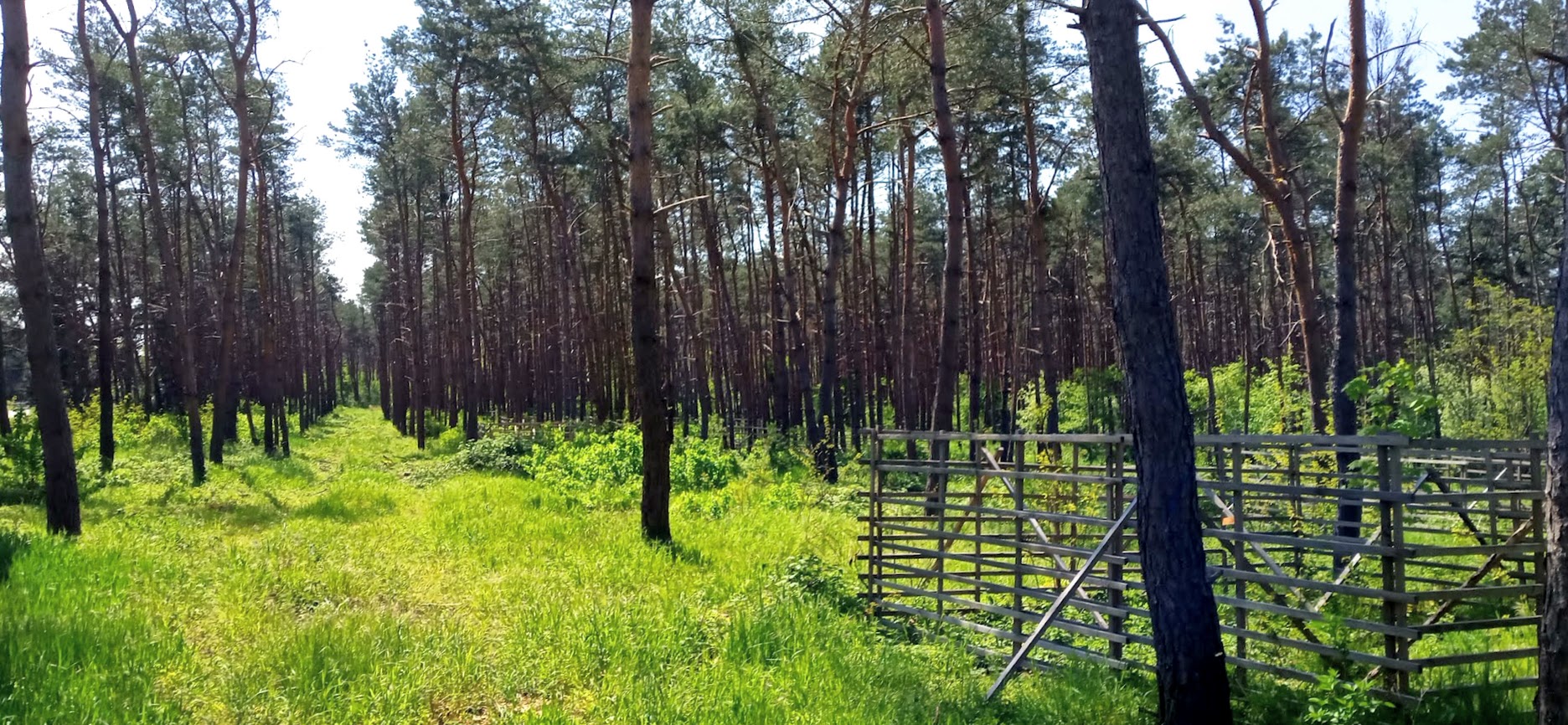
In the Griesheimer Sand, Db is trialing the construction of a graded forest edge where the forest meets the railway line. The aim is to create a graded and species-rich forest edge along the future route of the new Frankfurt–Mannheim line, even before construction actually begins. The graded forest edge will ensure that the trees behind it are protected from strong winds and sunlight. For the pilot measure in the Griesheimer Sand, it is not necessary to fell any trees but simply remove damaged and dead wood. Deutsche Bahn will then plant diverse shrub varieties in groups on the areas that have been freed up. This will create new wet and dry habitats for a variety of reptile and insect species along the forest edge in the future.
Recognized as an outstanding example by the UN Decade
With the DB Climate Forest, Deutsche Bahn and its partners make a decisive contribution to nature and species protection. As part of the current international UN Decade on Ecosystem Restoration, the German Federal Environment Ministry and the Federal Agency for Nature Conservation have recognized the DB Climate Forest as an "outstanding example".

 Go
Go