
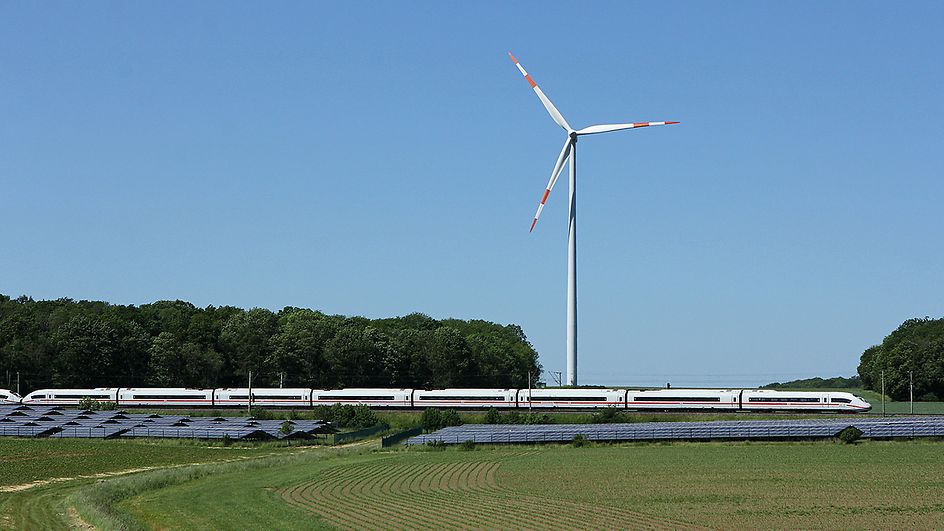
Deutsche Bahn wants to be climate-neutral by 2040 and reduce its greenhouse gas emissions to net zero. To achieve this, DB is focusing on maximizing the energy efficiency of trains and buses, for example.
Smart braking – saved energy
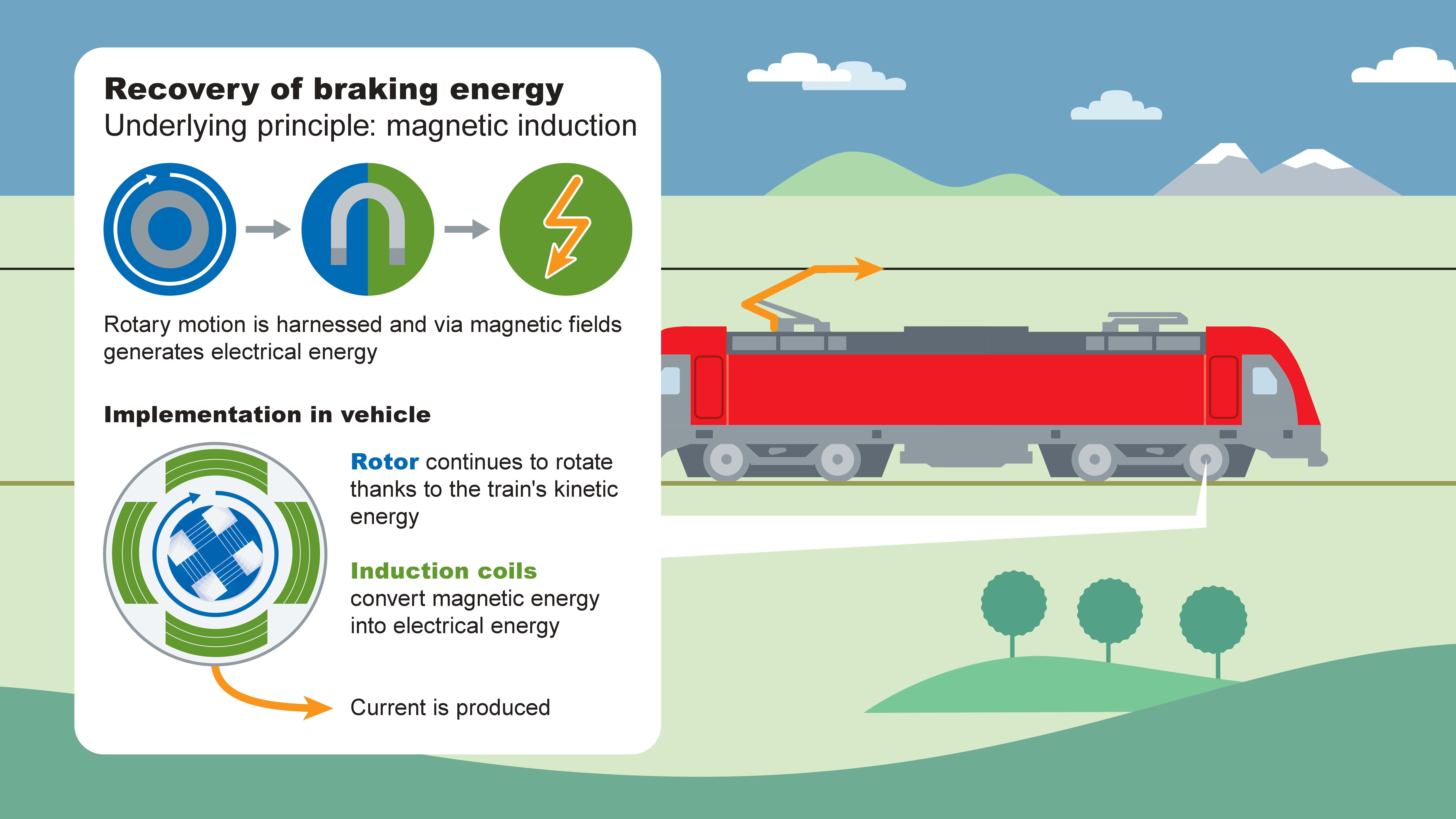
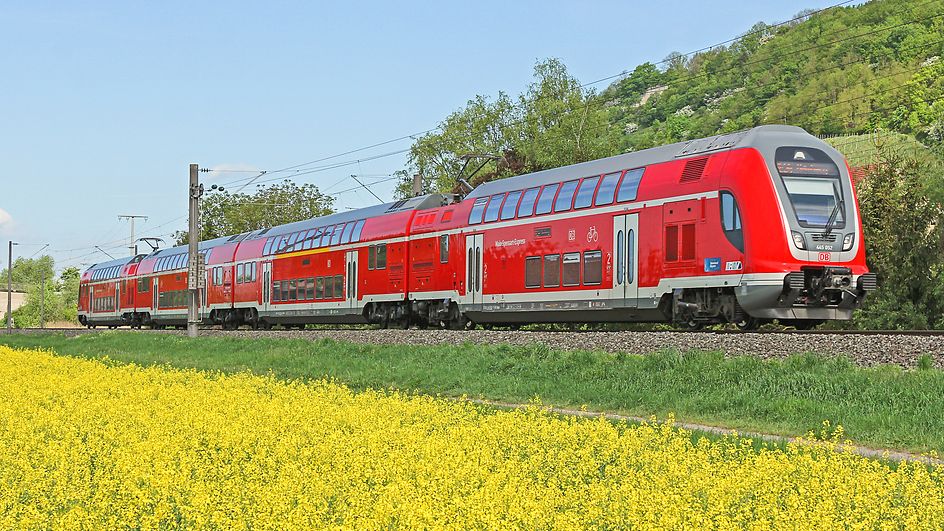
Many of DB's own vehicles even generate electricity themselves – simply by braking. For example, all modern electric trains are equipped with a brake energy recovery function.
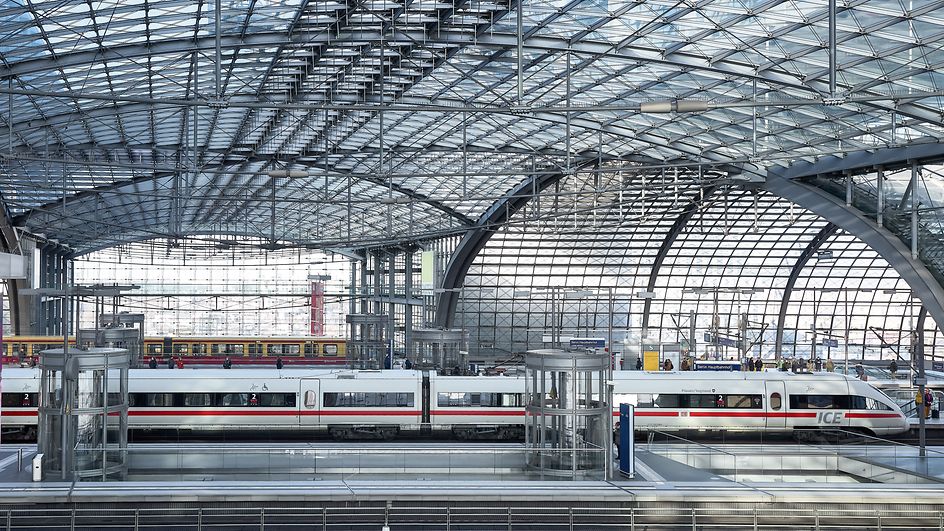
When braking, the trains' motors work as generators. This converts the kinetic energy into electricity, which flows back into the overhead line and can then be used by other trains. In 2024, this amounted to a total of around 1,500 gigawatt hours of electricity.
Traction energy recovery for a sustainable bus fleet
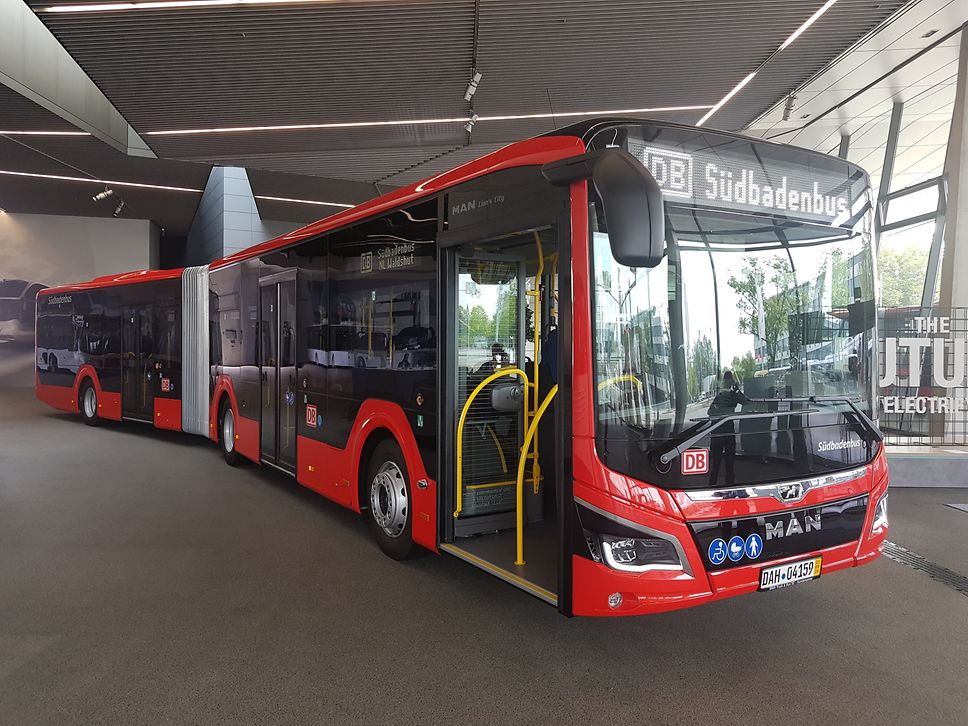
But it's not just trains that can use energy multiple times. DB buses also have generators that produce electrical energy when braking. This braking energy is stored and reused later. This means, for example, that the entire lighting system can be operated even when the bus is stationary and the engine is switched off. This reduces the fuel consumption of the bus fleet and cuts greenhouse gas emissions.
Many of these so-called mild hybrid buses are already in use in the DB bus fleet. Thanks to their innovative drive technology and modern EURO VI engines, they are also helping to make road transport a little more climate-friendly.
Charging efficiently - recycling electricity
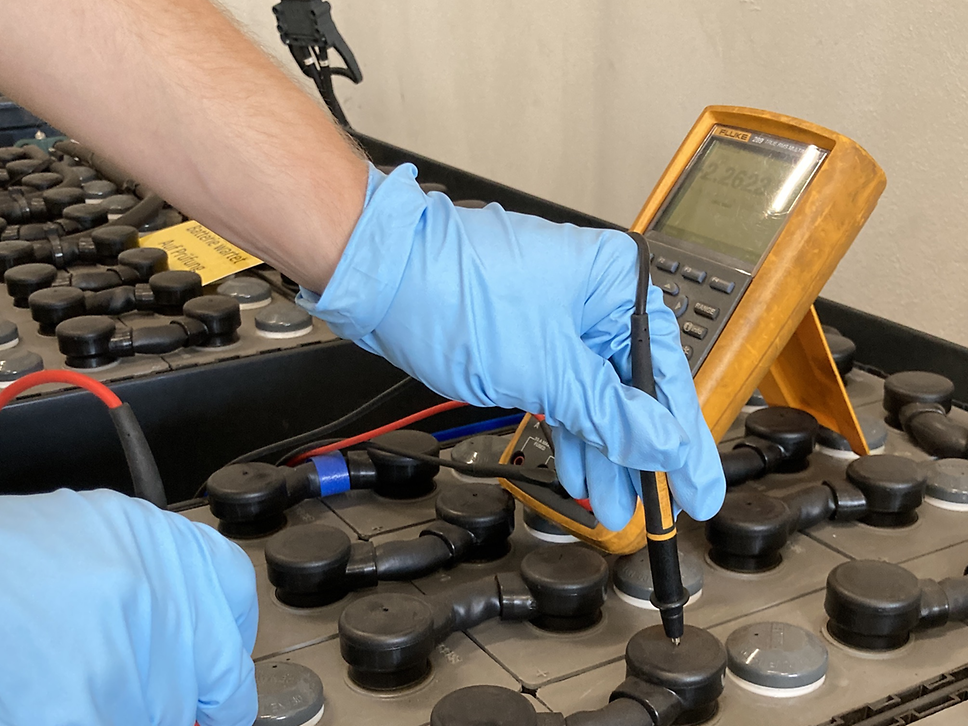
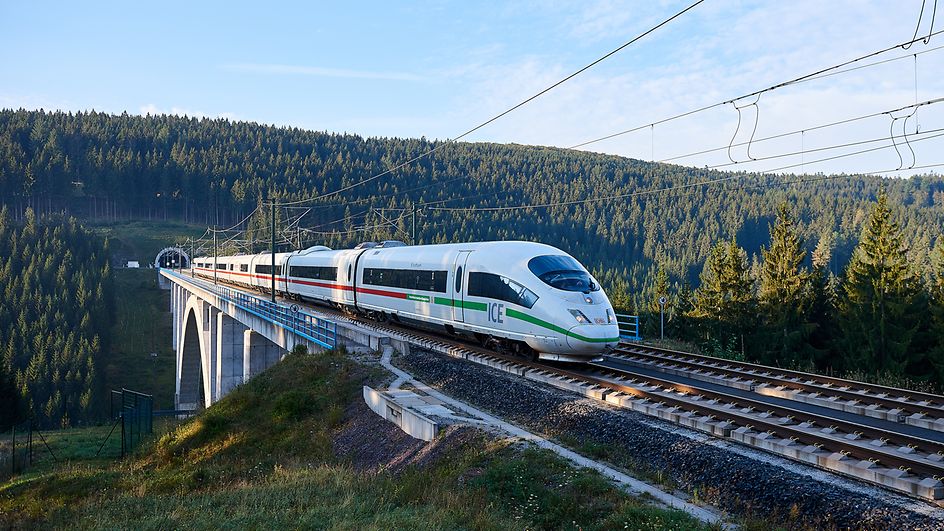
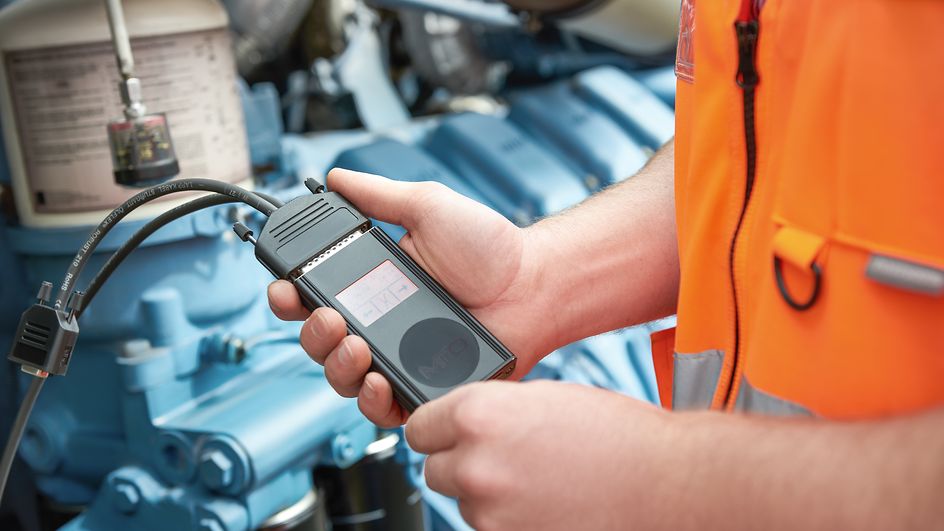
Whether in the event of a service disruption or when turning at the station: the batteries in the ICE trains always supply the on-board network with sufficient energy when there is no power coming from the overhead line. To ensure that the batteries last particularly long, Deutsche Bahn has developed an energy-efficient charging process with the "Anderslader" project.
The batteries are first connected to the power grid and completely discharged - but much more slowly and energy-efficiently than before. The trick with this new process is that the discharged energy is fed back into the power grid – in other words, recycled. The battery is then recharged via the power grid. This gentle discharge has two positive effects: Firstly, the batteries remain ready for use for longer. Secondly, the discharged energy is not lost, but is fed back into the public power grid and can be used elsewhere.
This process is already in use on all ICE4 trains. This extends the service life of the batteries and avoids time-consuming and cost-intensive maintenance work.
 Go
Go