
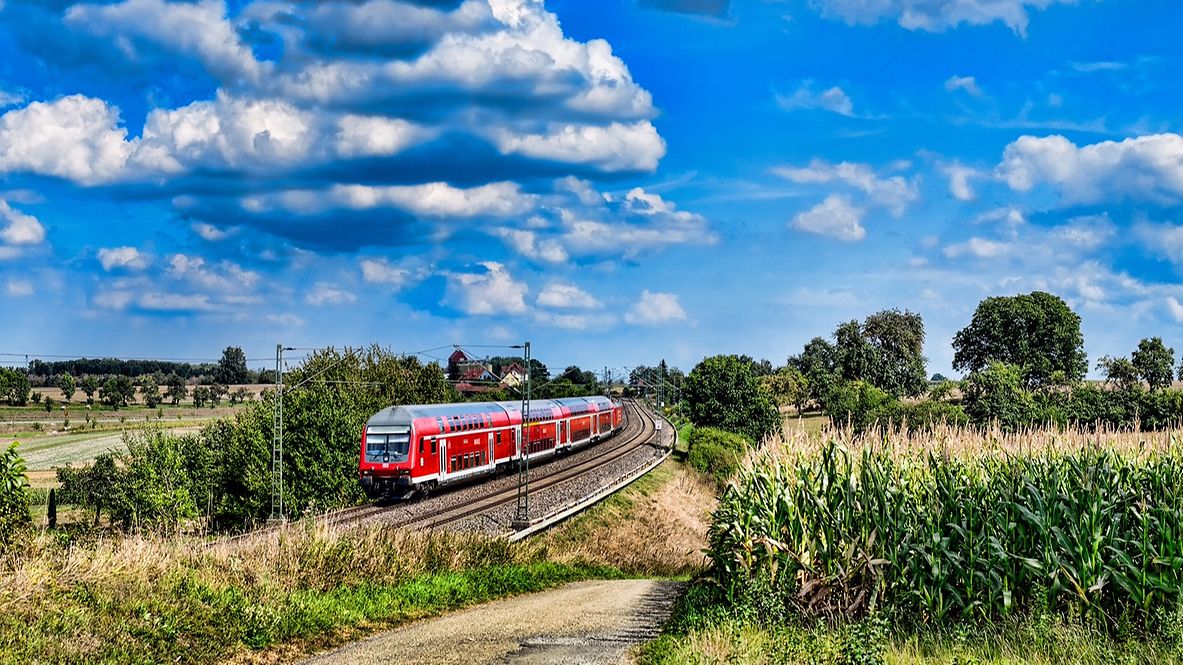

As an operator of critical infrastructure and a land management organization, Deutsche Bahn is particularly affected by current and future consequences of climate change. Therefore, DB is preparing intensively for increasing extreme weather events and is strategically and operationally developing its climate resilience management.
To protect its customers and employees from the effects of climate change and meet future regulatory requirements, DB is testing and using new air conditioning systems in its trains and busses. These systems use natural refrigerants, such as propane (R290) and carbon dioxide. Thanks to these new refrigerants, passengers remain comfortable even at very high outside temperatures. The air conditioning systems also relieve the atmosphere, as they consume less energy and are more climate-friendly than conventional products. Another advantage of alternative refrigerants over synthetic products is that they do not contain PFAS (perfluorinated and polyfluorinated alkyl substances). PFAS can have a negative impact on the environment and health. As they hardly degrade in the environment, they can spread and accumulate over a long period of time - which further increases their potential impact.
Tested thoroughly
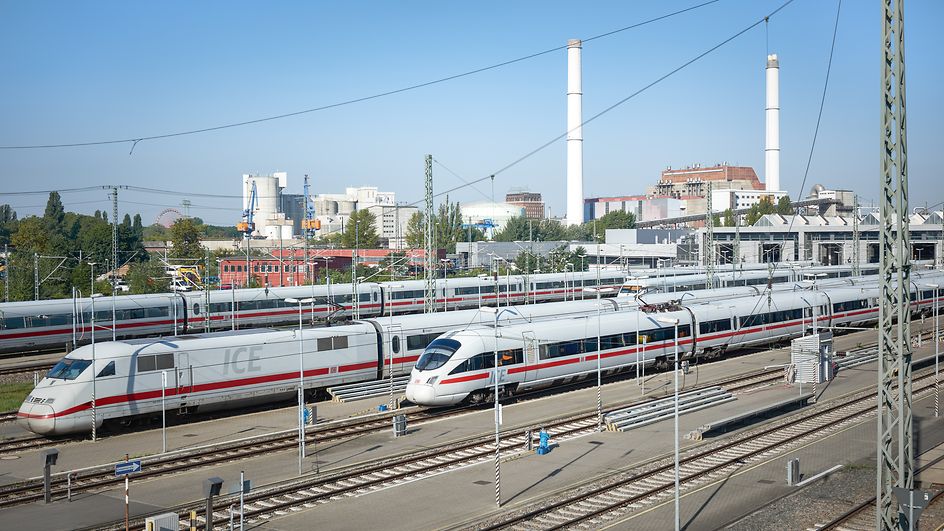
The new systems were extensively tested prior to commissioning and meet all technical and operational requirements. Even at high outside temperatures, they guarantee reliable air conditioning and meet all applicable safety standards. Compliance has been confirmed by independent testing bodies. Air conditioning systems with the natural refrigerant propane are already in use in regular passenger services and have proven their worth there. They are used in new vehicles, for example in the new ICE 3neo fleet.
DB subsidiary Autokraft has also been operating a public service vehicle with a converted air conditioning system since fall 2025. The system not only cools the interior in summer using the natural refrigerant R290. It also provides sufficient warm air in winter. The pilot project is an innovation, as a tried-and-tested technical solution for converting diesel buses to climate-neutral refrigerants was previously lacking. Together with its partners, DB has now closed this gap for the first time.

 Go
Go